
Gum surgery sounds serious, and it is. The idea of a dentist cutting into gum tissue to remove infected pockets, recontour bone, or graft soft tissue is enough to make most people put off treatment for longer than they should. But here’s what’s worth knowing: gum surgery isn’t the inevitable solution for everyone with periodontal disease. For many patients, catching the disease early enough and treating it with a more precise, technology-driven cleaning approach can change the entire trajectory of their gum health.
Gum disease is more widespread than most people realize. According to the CDC, nearly half of American adults aged 30 and older have some form of periodontal disease, and that number rises to 70 percent among adults 65 and older. The progression from gingivitis to advanced periodontitis isn’t inevitable, though it depends heavily on when treatment begins and how effectively the underlying bacterial biofilm is removed. That’s where a more targeted approach to cleaning comes into the conversation.
Why Biofilm Is the Real Reason Behind Gum Disease
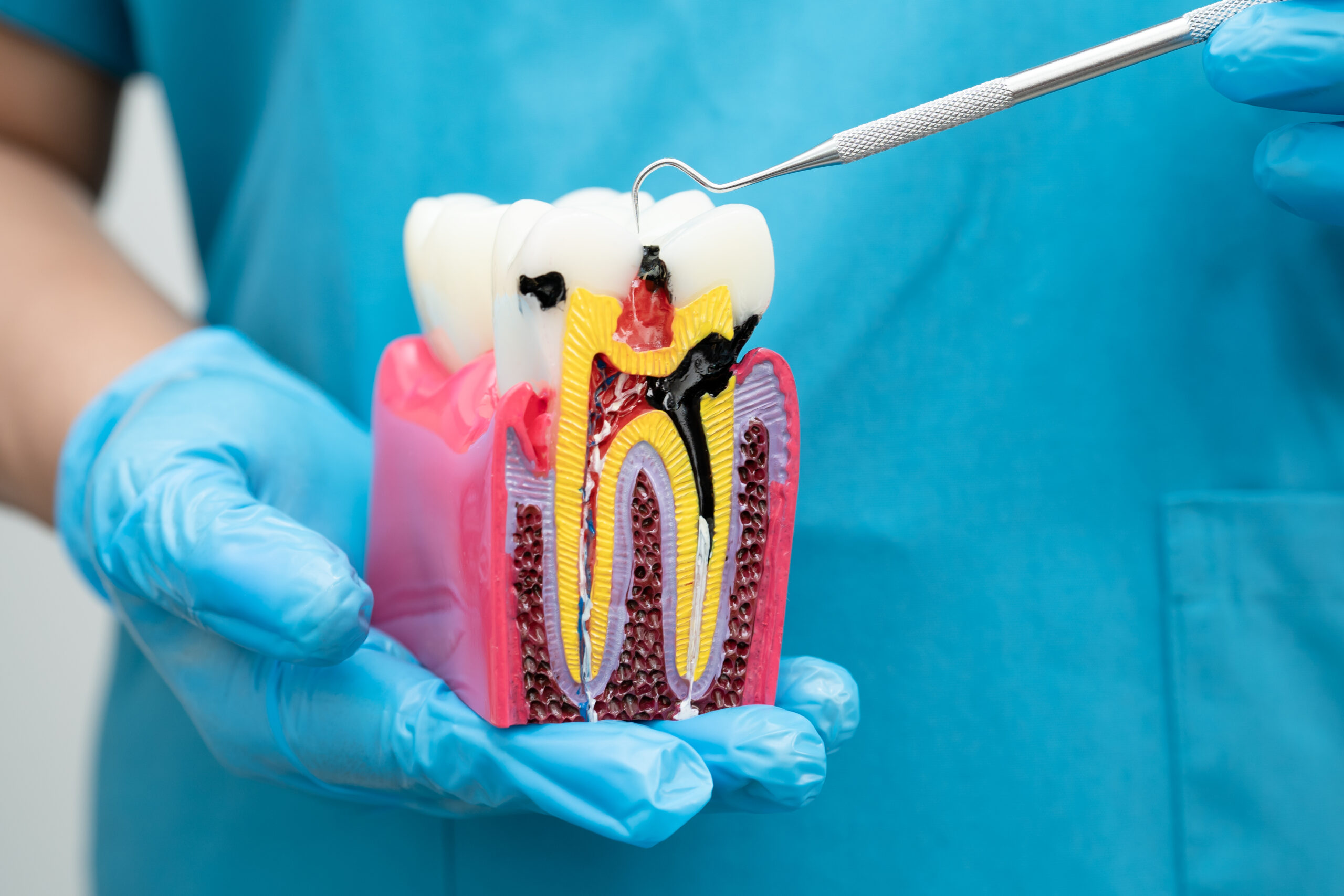
Most people think of plaque as a surface problem. However, dental biofilm is a cluster of bacteria that adheres to tooth surfaces, below the gumline, and inside periodontal pockets. It’s not just a layer of debris; it’s a structured, self-protecting ecosystem that resists both your toothbrush and standard cleaning tools. Standard scrapers and polishers disrupt biofilm at the surface, but they can miss deposits that have formed deeper in the sulcus (the space between your teeth and gums).
This is precisely what makes a more systematic, technology-driven approach relevant. Targeted biofilm removal at Peachtree Corners Dentistry combines three distinct clinical techniques (air polishing, ultrasonic scaling, and laser therapy) in a sequence designed to address biofilm at every level, including areas that conventional cleaning often misses.
When biofilm is left undisturbed long enough, it mineralizes into calculus (tartar), creates chronic inflammation in the surrounding gum tissue, and triggers the body’s immune response (which destroys bone and causes gum recession). Stopping that reaction early is what determines whether a patient needs surgery or can stabilize their condition with non-surgical treatment.
Can This Treatment Actually Replace the Need for Surgery?
The honest answer is: it depends on where you are in the progression of periodontal disease. For patients with gingivitis or early-to-moderate periodontitis, a treatment program of targeted biofilm removal combined with good home care can absolutely prevent the disease from reaching the stage where surgery becomes necessary. Non-surgical treatment is most effective when pockets are not yet so deep that a scaler and laser can’t reach the bacterial deposits at the base.
For patients with advanced periodontitis (deep pockets of 6 millimeters or more, significant bone loss, or gum recession that has already altered tissue architecture), surgery may still be the most effective option. No cleaning approach, however advanced, can regenerate bone that has already been lost or reposition tissue that has receded. A dentist will evaluate pocket depths, bone levels on X-ray, and the pattern of recession before recommending a treatment plan.
Who Benefits Most From This Approach in Peachtree Corners
The patients who tend to benefit most from this treatment are those who have been told they’re developing early periodontal disease and want to address it without waiting until surgery is the only option, as well as patients who have already completed periodontal treatment and need a more thorough maintenance protocol than a standard cleaning can provide.
It’s also an excellent option for patients with dental implants. Biofilm and calculus accumulation around implant surfaces can lead to implant failure if left unaddressed. The air polishing and laser components of this treatment are safe and effective for use around implant surfaces in ways that traditional metal scalers are not. Similarly, patients with braces or other fixed appliances who tend to accumulate more plaque in hard-to-reach areas find this approach far more thorough than standard cleaning visits.
Schedule Your Evaluation at Peachtree Corners Dentistry
Gum disease responds best to early treatment. The longer it progresses without targeted intervention, the narrower the window for avoiding more invasive procedures. If you’ve noticed bleeding gums, persistent bad breath, increasing sensitivity around the gumline, or you’ve been told at a previous visit that you’re showing early signs of periodontal disease, this is a conversation worth having sooner rather than later.
Dr. Park Skelton and the team at Peachtree Corners Dentistry on Wetherburn Way bring genuine attention to detail to every patient visit. New patients are always welcome, and the practice offers flexible financing options through Cherry Financing as well as a membership club for patients without insurance.
People Also Ask
How is targeted biofilm removal different from scaling and root planing?
Scaling and root planing (SRP) is the traditional non-surgical treatment for periodontitis, using manual and ultrasonic instruments to clean root surfaces and remove calculus below the gumline. Targeted biofilm removal builds on that foundation by adding air polishing (which removes soft biofilm and staining first, allowing better visualization) and laser therapy, which eliminates bacteria within the pockets and stimulates gum tissue healing. Together, the three steps yield a more thorough result in bacterial elimination and post-treatment tissue recovery.
How will I know if my gum disease is improving after treatment?
The most reliable sign is a reduction in periodontal pocket depths at your follow-up measurement appointments. Your dentist will use a periodontal probe to measure the depth of the gum pockets around each tooth and compare these measurements to your baseline readings. Additional signs of improvement include less bleeding on probing, reduced gum inflammation and redness, and decreased symptoms such as sensitivity or bad breath.
Is this treatment safe for patients who are pregnant?
Periodontal disease during pregnancy is associated with adverse outcomes, including preterm birth and low birth weight, which makes treating gum disease during pregnancy not just safe but important. The non-surgical components, like air polishing and ultrasonic scaling, are safe at any stage of pregnancy. Regarding laser therapy, your dentist will review your dental condition to confirm timing and appropriateness. In general, the second trimester is considered the safest window for elective dental treatment. Always inform your dentist of your pregnancy before any procedure begins.
What home care habits most support the results of this treatment?
Consistent daily disruption of biofilm at home is what sustains the clinical gains made in the office. That means brushing twice daily with a soft-bristled toothbrush, angled toward the gumline, for at least two minutes. Flossing once a day or using an interdental brush or water flosser if flossing is difficult is equally important, since biofilm between teeth and below the contact point is where periodontal disease most commonly begins. Your dentist may also recommend an antimicrobial mouth rinse to reduce bacteria count.