
Recovering from oral surgery can feel like navigating a maze of questions — especially when it comes to what you can and can’t eat. After a bone graft procedure, what you eat and drink matters. The right foods can soothe your healing tissues and support the work your dentist has done. The wrong ones can irritate sensitive areas, disrupt sutures, and slow recovery.
At Peachtree Corners Dentistry, patient comfort and clear guidance are top priorities. Many patients ask the same question: “What can I eat that feels good, helps healing, and isn’t a hassle?” This guide breaks it down into simple, practical advice you can follow from your first post‑op day to when solid foods are back on the table.
If you’re healing from bone grafting in Peachtree Corners, this guide will walk you through the progression of safe foods, sample meal ideas, and tips to protect your surgical site without boredom creeping into your plate.
Why Diet Matters After Bone Grafting
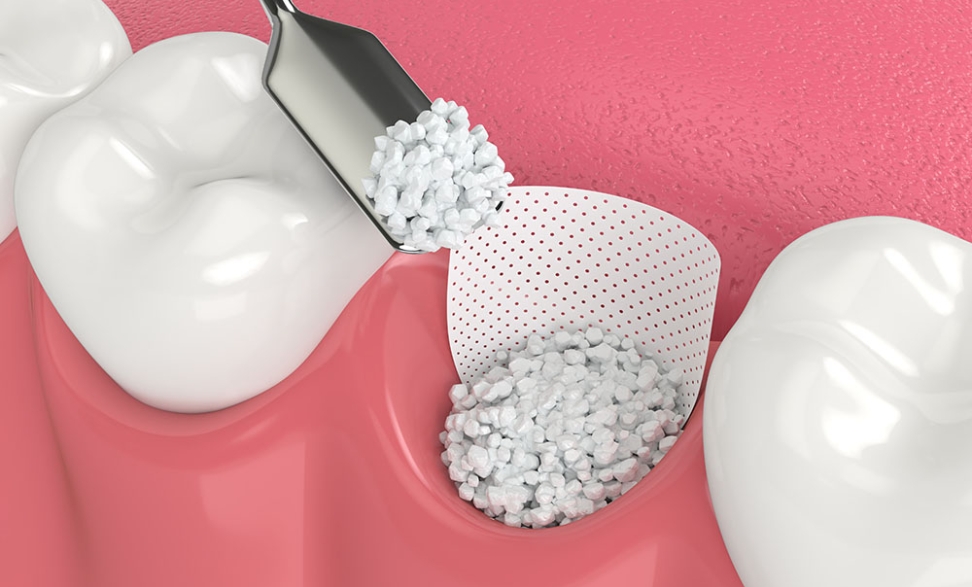
A bone graft helps rebuild bone structure, often in preparation for implants or to support teeth that need extra foundation. The grafted area needs time to set, and hard, crunchy, or sharp foods can irritate or dislodge the healing tissues.
Local weather conditions like warm summer days or comfort-food cravings in chilly winter months make good planning essential. Your body demands nutrient‑rich foods that are easy to eat, even if you’d rather grab a burger or crunch into a sandwich.
Eating Timeline After Your Procedure
Your diet can evolve over the course of your recovery after bone grafting surgery. Here’s a simple timeline to help you eat safely while your surgical site settles.
Day 1–2: Cool, Smooth, Very Gentle Foods
Immediately after surgery, your mouth will be numb. You’ll want foods that don’t require chewing and won’t irritate your tissue.
Foods to Eat:
- Smooth yogurt (plain or low‑sugar)
- Chilled applesauce
- Creamy oatmeal
- Milkshakes or smoothies (no seeds)
- Broth or strained soup (lukewarm, not hot)
Tips:
- Avoid straws — the suction can disturb the grafted site.
- Keep liquids cool or at room temperature.
Day 3–4: Thicker Comfort Foods
By now, swelling has usually reduced. You can introduce slightly thicker foods that still require minimal chewing.
Good Choices:
- Mashed potatoes or sweet potatoes
- Scrambled eggs
- Soft polenta
- Pureed soups (like butternut or carrot)
- Cottage cheese
Local Flavor: Try a bowl of creamy grits from a nearby diner or Southern café in Peachtree Corners — just make sure it’s soft and not crunchy.
Day 5–7: Soft Solids and Gentle Chewing
At this point, you can begin incorporating foods that need some chewing, but still avoid anything tough, crunchy, or chewy.
Safe Food Options:
- Soft pasta (no al dente)
- Flaked fish
- Soft bread (without crusts)
- Cakes or pancakes (soft texture)
- Ripe banana or melons
After 1–2 Weeks: Slowly Reintroduce Normal Foods
Every mouth heals a bit differently, and your dentist will check your progress before letting you move fully back to your usual diet. Typically, after about 10–14 days, most of the initial healing is complete.
At this stage, you can add:
- Ground meats
- Soft vegetables
- Rice and cooked grains
Still avoid:
- Nuts or seeds
- Chips or crackers
- Tough steak
- Sticky candies
Sample Daily Meal Plan
Here’s an example of how your meals might look in the first few days:
Day 1–2:
- Breakfast: Smooth yogurt with honey
- Lunch: Strained chicken broth
- Dinner: Creamy pureed pumpkin soup
Day 3–4:
- Breakfast: Scrambled eggs
- Lunch: Mashed potatoes with gravy
- Dinner: Pureed vegetable soup
Day 5–7:
- Breakfast: Soft oatmeal
- Lunch: Soft pasta with butter
- Dinner: Flaked salmon with mashed sweet potatoes
Foods to Avoid at All Costs Early On
During the initial stages of healing, steer clear of these:
- Spicy foods (cause irritation)
- Seeds or kernels (get stuck in the surgical area)
- Carbonated drinks (may cause discomfort)
- Alcohol (dehydrates tissue)
- Hot beverages (can increase bleeding or discomfort)
Even when you feel better, be mindful of sharp or crunchy textures for at least two weeks.
Hydration Matters
Hydration plays a huge role in recovery. Water is your best friend in the days after surgery. Aim for at least 6–8 cups per day, unless your dentist tells you otherwise.
Avoid:
- Sugary sports drinks
- Acidic juices (like orange or grapefruit)
- Hot coffee or tea for the first few days
Sip water throughout the day to keep tissues supple and help flush bacteria away.
Healing after a dental bone graft doesn’t mean bland or boring meals. With the right foods, you can nourish your body, protect your healing site, and enjoy familiar flavors from around Peachtree Corners — just in gentler forms.
If you want personalized guidance on your diet or recovery after bone grafting in Peachtree Corners, the team at Peachtree Corners Dentistry can walk you through it. Scheduling a follow‑up or consultation gives you clarity and peace of mind and keeps your smile moving in the right direction.
People Also Ask
Q: How soon can I resume hot drinks?
Warm beverages are okay after the numbness fades, but stick to lukewarm or cool drinks for the first 48–72 hours to avoid irritation.
Q: Can I chew gum after a bone grafting procedure?
Not right away. Gum can pull at tissues and disrupt healing, so hold off until your dentist gives the all‑clear.
Q: What if I accidentally bite my cheek because of numbness?
Rinse gently with warm salt water and avoid chewing on that side. If pain or swelling worsens, call your dental team.
Q: I’m craving crunchy foods — when is it safe?
Wait until your gums and surgical site are fully healed, usually after your follow‑up appointment, before eating anything crunchy.