

If your dentist has ever suggested coming in every three months instead of six, you may have wondered why. This recommendation is more common than most patients realize. Understanding why your dentist might recommend cleanings every 3 months instead of 6 in Peachtree Corners can help you take better control of your oral health. It’s not a punishment — it’s a personalized plan based on your unique needs.
At Peachtree Corners Dentistry, Dr. Park Skelton evaluates each patient individually. No two mouths are the same, and no two cleaning schedules should be either. The goal is always to prevent small problems from becoming serious ones.
What Happens During a Professional Dental Cleaning?
Before diving into frequency, it helps to understand what a professional cleaning actually does. Dental Cleanings And Exams go far beyond what your toothbrush can accomplish at home. A dental hygienist removes hardened tartar buildup that regular brushing and flossing simply cannot reach.
During your visit, the hygienist will also check for early signs of gum disease and tooth decay. Dr. Skelton reviews X-rays and performs a thorough exam. This combination catches issues early — when treatment is simpler and less costly.
Here is what a typical cleaning appointment includes:
- Removal of plaque and tartar above and below the gumline
- Polishing tooth surfaces to remove surface stains
- Flossing between all teeth
- A full oral exam by Dr. Skelton
- X-rays when needed to check for hidden decay
- Personalized home care recommendations
Why Some Patients Need Cleanings Every 3 to 4 Months in Peachtree Corners
The standard six-month cleaning schedule works well for patients with healthy gums and low cavity risk. However, many patients have conditions that cause bacteria and tartar to build up much faster. For these individuals, waiting six months allows too much damage to accumulate.
Gum disease is the most common reason dentists shorten the cleaning interval. Patients with gingivitis or periodontitis need more frequent care to manage bacterial levels. Without consistent professional cleanings, gum disease progresses quickly and silently.
Other factors that may lead to a three- or four-month schedule include:
- Active periodontal disease — bacteria rebuild in pockets around teeth within 90 days
- History of frequent cavities — some patients are simply more prone to decay
- Dry mouth — reduced saliva allows bacteria to thrive
- Diabetes or other systemic conditions — these affect how your body fights oral infection
- Smoking or tobacco use — significantly increases gum disease risk and progression
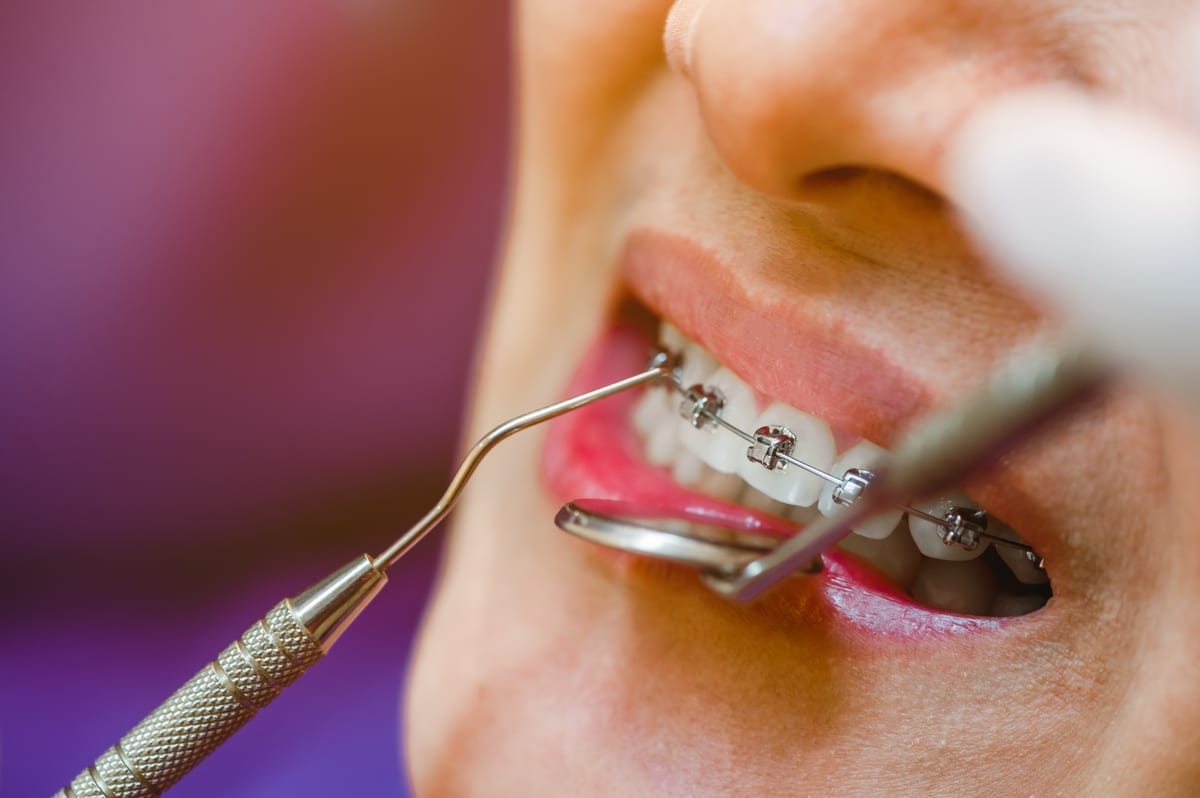
- Orthodontic appliances — braces and aligners can trap food and plaque more easily
- Compromised immune system — the mouth is harder to protect from infection
If Dr. Skelton recommends a shorter interval, it means your mouth needs that extra support. This is a proactive, health-focused decision — not a sign that something has already gone terribly wrong.
The Science Behind the 90-Day Cleaning Cycle
There is solid biological reasoning behind the three-month recommendation. Bacteria in your mouth organize into structured colonies called biofilm. Once this biofilm matures, it becomes much harder to disrupt — even with excellent brushing habits.
Research shows that harmful oral bacteria reach their most damaging stage at around 90 days. Professional cleanings reset this cycle before bacteria cause lasting tissue damage. For patients with active gum disease, this timing is critical.
Gum disease does not always cause obvious pain. Many patients feel fine while damage is quietly happening beneath the gumline. A three-month cleaning schedule keeps this process under control and protects the bone that supports your teeth.
Losing that bone support is what eventually leads to loose teeth and tooth loss. For some patients, more frequent cleanings are what stand between them and needing Dental Implants down the road. Prevention is always the better path.
How Dr. Skelton Determines Your Ideal Cleaning Frequency
Every new patient at Peachtree Corners Dentistry receives a comprehensive evaluation. Dr. Skelton reviews your full dental and medical history during this assessment. He examines your gum tissue, measures periodontal pocket depths, and assesses your overall oral health status.
Pocket depth measurements are especially important. Healthy gums have shallow pockets of one to three millimeters. Deeper pockets indicate disease activity and signal a need for more frequent care.
Your recommended schedule may change over time. If your gum health improves significantly, Dr. Skelton may extend your interval back toward six months. If new risk factors emerge, he may suggest more frequent visits again. The goal is always the right care at the right time.
Factors he considers when setting your schedule include your cavity history, gum disease status, systemic health conditions, and how well your home care routine is working. This personalized approach is what sets proactive dental care apart from reactive treatment.
What to Expect When You Switch to a More Frequent Schedule
Some patients feel surprised — or even a little anxious — when told they need to come in more often. It can feel like unexpected news. But most patients quickly realize the benefits once they experience the difference consistent care makes.
Your gums may feel less sensitive over time. Bleeding during brushing often decreases significantly. Many patients also notice their teeth feel cleaner and look brighter with more regular professional attention.
The appointments themselves are typically shorter and more comfortable than a longer-interval cleaning. There is simply less buildup to remove when you come in more frequently. Many patients find they actually look forward to these visits once they understand the purpose.
Frequently Asked Questions
Is it normal for a dentist to recommend cleanings every 3 months?
Yes, it is very common. Patients with gum disease, high cavity risk, diabetes, or dry mouth often benefit from cleanings every three to four months. This schedule helps control bacterial buildup before it causes lasting damage to gums and bone.
Will more frequent cleanings eventually allow me to go back to every 6 months?
Possibly. If your gum health improves and your risk factors decrease, Dr. Skelton may extend your interval. He reassesses your needs at every visit and adjusts your schedule based on your current oral health status.
Do 3-month cleanings mean my teeth are in bad shape?
Not necessarily. It means your mouth needs more consistent maintenance to stay healthy. Many patients with this schedule maintain excellent oral health precisely because they follow it. Think of it as a proactive strategy, not a sign of failure.
What happens if I skip a recommended 3-month cleaning?
Skipping a visit allows bacteria and tartar to accumulate beyond the point where your body can manage it effectively. For patients with gum disease, this can cause the condition to worsen quickly. Staying on schedule is the most important thing you can do for your long-term oral health.
Does Peachtree Corners Dentistry offer periodontal maintenance cleanings?
Yes. Dr. Park Skelton and his team provide periodontal maintenance cleanings for patients managing gum disease. These appointments are tailored to your specific needs and are different from a standard preventive cleaning in depth and focus.
Your oral health schedule should reflect your individual needs — not a one-size-fits-all calendar. Whether you need visits every three months or every six, the team at Peachtree Corners Dentistry is here to guide you every step of the way. Book Now to schedule your appointment with our team.