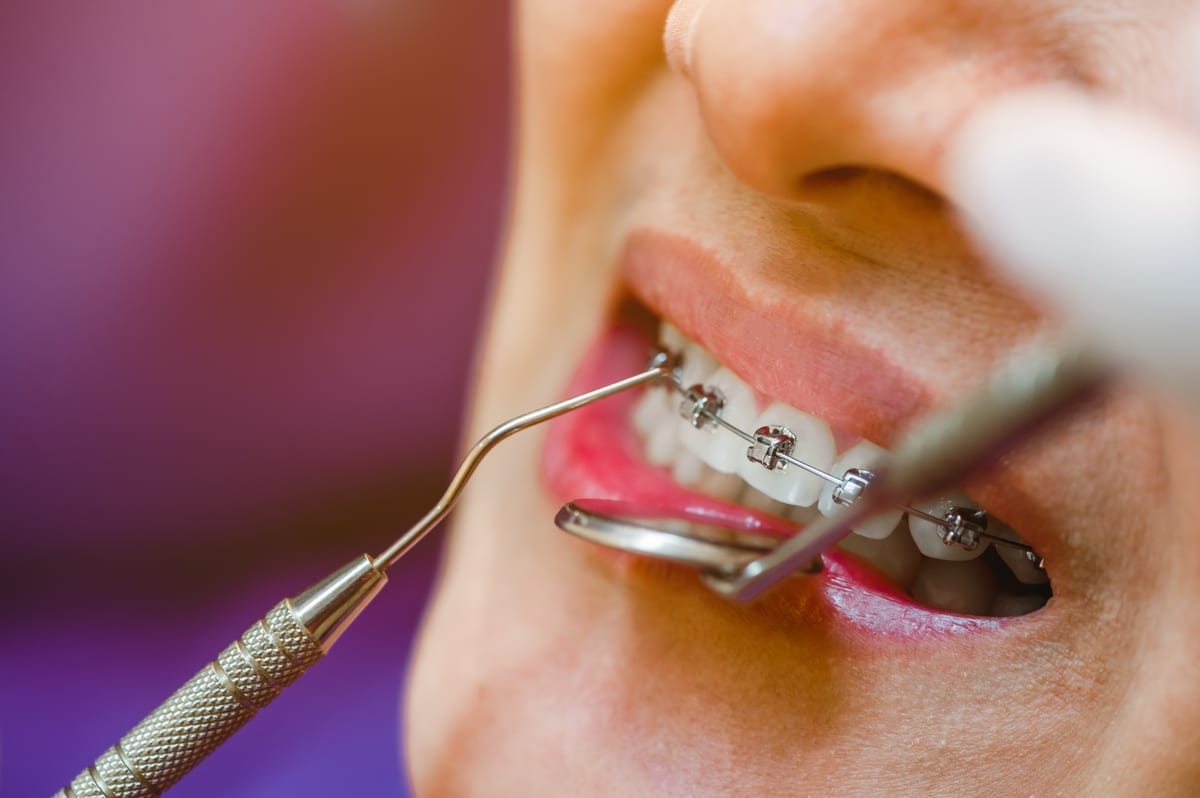


Getting your braces off is an exciting milestone. But knowing what to expect after braces — your complete recovery timeline in Peachtree Corners — helps you protect your new smile long-term. The transition period after orthodontic treatment requires care and attention. Dr. Park Skelton at Peachtree Corners Dentistry is here to walk you through every stage of the process.
Many patients feel surprised by how much aftercare is involved once braces come off. Your teeth have shifted significantly over months or years. Your mouth now needs time to adjust and stabilize. Understanding what lies ahead makes the whole experience much smoother.
Your Recovery Timeline After Braces: What Happens Week by Week
The first 24 to 48 hours after braces removal are often the most noticeable. Your teeth may feel sensitive to temperature and pressure. Your gums may appear slightly swollen or tender. This is completely normal and typically resolves within a few days.
During the first week, your bite may feel different than expected. Your jaw muscles need time to adapt to your new tooth positions. You might notice some mild soreness when chewing. This discomfort usually fades by the end of week one.
Weeks two through four bring continued adjustment. Most sensitivity should ease considerably during this period. Your retainer becomes your most important tool right now. Wearing it as directed by Dr. Skelton prevents teeth from drifting back.
After the first month, most patients feel fully comfortable. Your teeth look and feel stable at this stage. You will likely transition to wearing your retainer only at night. Regular check-ups at our Peachtree Corners office keep everything on track.
Managing Discomfort After Braces in Peachtree Corners
Some soreness after braces removal is expected and manageable. Over-the-counter pain relievers like ibuprofen or acetaminophen provide effective relief. Always follow the dosing instructions on the packaging. Most patients find they only need pain relief for the first few days.
Saltwater rinses can also soothe tender gum tissue. Mix half a teaspoon of salt into a glass of warm water. Rinse gently for 30 seconds, two to three times a day. This natural remedy reduces inflammation and promotes healing.
Cold compresses applied to the outside of your jaw can also help. Use a cloth-wrapped ice pack for 10 to 15 minutes at a time. Avoid placing ice directly against your skin. This technique works especially well in the first 48 hours.
- Take over-the-counter pain relievers as needed during the first few days
- Use saltwater rinses to calm irritated gum tissue
- Apply a cold compress to reduce jaw soreness and swelling
- Avoid very hot or very cold foods until sensitivity fades
- Contact our office if pain is severe or does not improve within a week
What to Eat After Braces Come Off
One of the best parts of finishing braces is reclaiming your full diet. Still, it pays to ease into harder foods during the first week. Your teeth and gums need a short adjustment period. Rushing into crunchy or chewy foods can cause unnecessary discomfort.
During the first few days, stick to soft foods that are easy to chew. Good options include yogurt, mashed potatoes, scrambled eggs, and soup. These foods minimize pressure on sensitive teeth. They also reduce the risk of aggravating tender gum tissue.
After the first week, you can gradually reintroduce firmer foods. Start with cooked vegetables, soft bread, and well-cooked pasta. Then slowly add raw fruits, salads, and tougher proteins. Listen to your mouth — if something causes pain, wait a few more days before trying again.
- Week 1 — Soft foods: Yogurt, smoothies, mashed vegetables, eggs, soup
- Week 2 — Transitional foods: Soft bread, cooked pasta, ripe fruits, fish
- Week 3 and beyond — Normal diet: Most foods are welcome again
- Always avoid: Sticky candies, hard ice, popcorn kernels, and very chewy snacks
Wearing Your Retainer: The Most Important Step After Braces
Your retainer is not optional — it is essential. Teeth have a natural tendency to shift back toward their original positions. This process, called relapse, happens faster than most patients expect. Your retainer prevents this from occurring.
Dr. Skelton typically recommends wearing your retainer full-time for the first three to six months. After that period, nightly wear is usually sufficient. Missing even a few nights during the early phase can allow movement. Consistency is everything during this critical window.
Clean your retainer every day using a soft-bristle toothbrush and mild soap. Avoid toothpaste, which can scratch the retainer’s surface. Store it in its case when not in use. Never wrap it in a napkin — this is how most retainers end up thrown away accidentally.
If your retainer feels tight after missing a night or two, that is a warning sign. It means your teeth are already beginning to shift. Contact Peachtree Corners Dentistry right away. Catching minor movement early is far easier — and less costly — than correcting relapse later.
When to Call Dr. Skelton After Braces Removal
Some symptoms after braces removal are completely expected. But others deserve prompt attention from your dental team. Knowing the difference protects your health and your smile. Never hesitate to reach out when something feels wrong.
Call our office if you experience any of the following:
- Severe pain that does not respond to over-the-counter medication
- Retainer that no longer fits after just a short break from wearing it
- Visible gaps or shifts in your tooth alignment
- Persistent swelling or bleeding in the gums beyond one week
- A broken or lost retainer that needs replacement
Our team at Peachtree Corners Dentistry is here to support you through every stage. Orthodontic aftercare is just one part of your complete dental health journey. We also offer services like Dental Implants Peachtree Corners and Root Canal Treatment Peachtree Corners for any additional needs that arise. Comprehensive care all in one place keeps your smile healthy for life.
Conclusion: Protect the Smile You Worked So Hard For
You invested significant time and effort into your orthodontic treatment. The recovery phase is your chance to lock in those results permanently. Follow your retainer schedule, eat smart during the adjustment period, and manage discomfort with simple home remedies. When in doubt, call Dr. Skelton and our team — we are always happy to help.
Peachtree Corners patients trust Peachtree Corners Dentistry for caring, knowledgeable support at every stage of their dental journey. Your new smile deserves expert aftercare to keep it looking its best for decades to come. Book Now to schedule your appointment with our team.
Frequently Asked Questions
How long does it take to fully recover after braces are removed?
Most patients feel comfortable within one to two weeks after braces removal. Sensitivity and soreness typically fade within the first week. Full stabilization of your bite takes several months, which is why wearing your retainer consistently is so important during this time.
Will my teeth shift after my braces come off?
Yes, teeth naturally want to drift back toward their original positions after braces. This is called orthodontic relapse. Wearing your retainer exactly as Dr. Skelton prescribes is the most effective way to prevent unwanted shifting and protect your results long-term.
How do I clean my retainer properly?
Rinse your retainer with cool or lukewarm water every day. Use a soft-bristle toothbrush and mild, unscented soap to gently clean all surfaces. Avoid toothpaste, which is abrasive enough to scratch the retainer. Store it in its protective case whenever it is not in your mouth.
What foods should I avoid right after braces are removed?
During the first week, avoid hard, crunchy, or very sticky foods. These include raw carrots, hard candies, chewy caramel, and popcorn. Stick to soft, easy-to-chew options like yogurt, eggs, and mashed vegetables. Gradually reintroduce firmer foods as sensitivity decreases.
When should I schedule my first post-braces check-up at Peachtree Corners Dentistry?
Dr. Skelton typically schedules a follow-up appointment shortly after your braces are removed. This visit allows us to fit or check your retainer and confirm your bite is stabilizing correctly. Continue attending regular dental check-ups every six months to maintain your overall oral health.