

Understanding why your teeth change after 60 is something dentists in Peachtree Corners see every day. At Peachtree Corners Dentistry, Dr. Park Skelton helps older adults navigate real dental changes that come with age. These changes are not random — they follow predictable patterns. Knowing what to expect helps you protect your smile for decades to come.
Many patients are surprised to learn how much the mouth shifts after age 60. Medications, bone density, and decades of use all play a role. The good news is that most age-related dental issues are manageable with the right care. This article explains what changes, why it happens, and what your dentist can do about it.
How Dry Mouth from Medications Affects Your Teeth After 60 in Peachtree Corners
Dry mouth is one of the most common dental challenges for seniors. Over 400 common medications list dry mouth as a side effect. Blood pressure drugs, antidepressants, and allergy medications are frequent culprits. Many patients over 60 take several of these at once.
Saliva does more than most people realize. It neutralizes acids, washes away bacteria, and helps remineralize enamel. Without enough saliva, decay accelerates quickly. Seniors with dry mouth are at significantly higher risk for cavities.
Dr. Skelton often recommends specific strategies for patients dealing with medication-related dry mouth. These include prescription fluoride rinses and saliva-stimulating products. Staying well-hydrated also makes a meaningful difference. Regular checkups allow the dental team to catch early decay before it becomes serious.
Gum Recession and Root Decay — What Seniors Need to Know
Gum recession is another major shift that happens after 60. Gums gradually pull away from teeth over the years. This exposes the root surfaces, which are softer than enamel. Roots are far more vulnerable to decay than the crown of the tooth.
Root decay can advance quickly and silently. Many patients do not feel pain until the decay is deep. That is why routine exams matter so much at this stage of life. Early detection is the most effective defense against root cavities.
The causes of gum recession vary from patient to patient. Years of brushing too hard, gum disease, and natural aging all contribute. At Peachtree Corners Dentistry, Dr. Skelton assesses each patient’s gum levels carefully. A personalized home care plan helps slow further recession.
Here are common signs of gum recession to watch for:
- Teeth that look longer than they used to
- Sensitivity to cold or sweet foods and drinks
- A visible notch or groove near the gumline
- Discomfort when brushing along the gum margin
Root Canal Treatment and Crowns for Aging Teeth
Older teeth have narrower, more calcified root canals. This is a natural result of decades of repair and mineral deposits. It makes Root Canal Treatment Peachtree Corners more technically demanding in seniors. However, experienced dentists can still perform successful treatment in most cases.
Root canal therapy becomes necessary when decay or infection reaches the inner pulp. Seniors are more prone to this because of the root exposure described above. Leaving an infected tooth untreated puts overall health at risk. Root canal treatment saves the tooth and eliminates the infection.
After root canal therapy, a dental crown is typically recommended. Older teeth are more brittle and prone to fracture. A crown protects the treated tooth and restores full function. Dr. Skelton works with patients to choose the best crown option for their situation.
Dental Implants for Seniors — Are You a Candidate in Peachtree Corners?
Tooth loss becomes more common after 60. Missing teeth affect chewing, speech, and confidence. They also lead to bone loss in the jaw over time. Dental Implants Peachtree Corners offer a permanent, natural-feeling solution for many older patients.
Age alone does not disqualify someone from getting implants. What matters most is bone density and overall health. Many patients in their 60s, 70s, and beyond qualify for implants. A thorough evaluation at Peachtree Corners Dentistry will determine your candidacy.
Here is what the implant evaluation process typically involves:
- A full review of your medical history and current medications
- Digital X-rays or 3D imaging to assess bone volume
- An examination of gum health and remaining teeth
- A discussion of your goals and timeline for treatment
Some patients need bone grafting before implants can be placed. This is common in seniors who have had missing teeth for several years. Dr. Skelton explains every step clearly so patients feel fully informed. The goal is always long-term comfort and function.
Dentures vs. Implants — Choosing the Right Option After 60
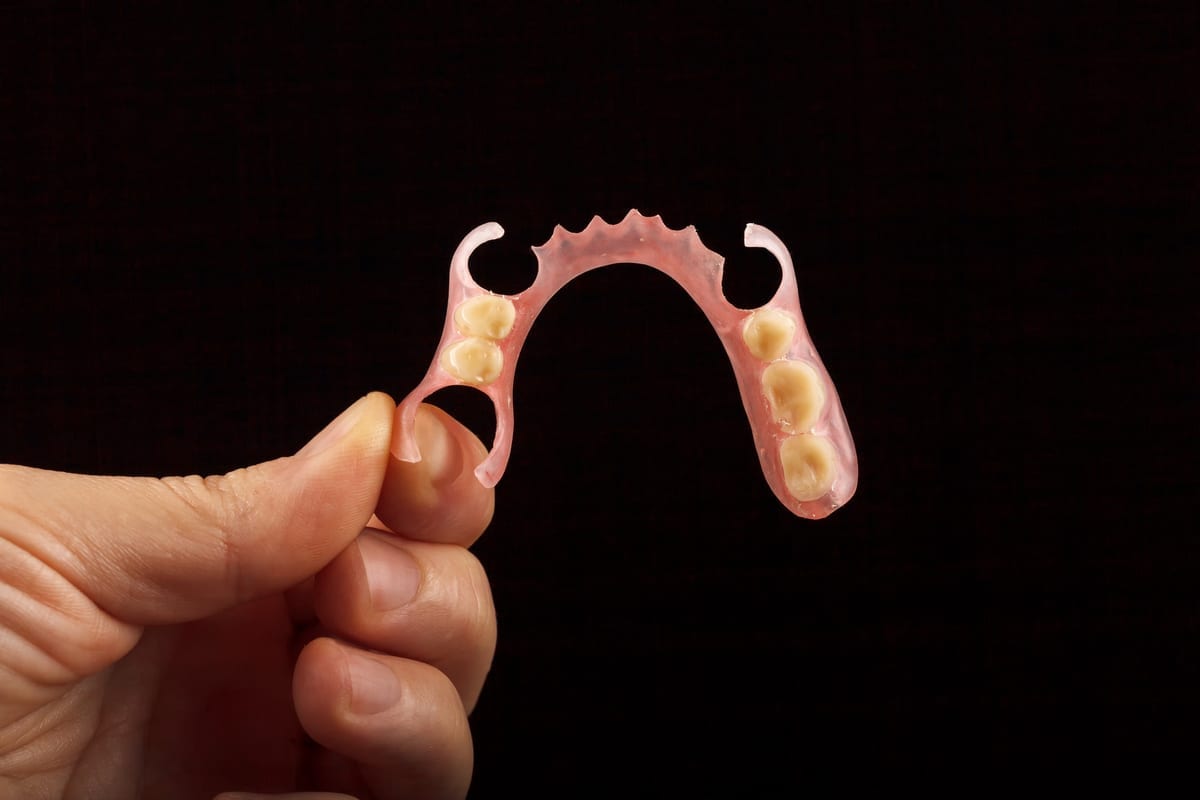
Dentures remain a reliable option for patients who are not implant candidates. Modern dentures fit better and look more natural than earlier versions. However, they do not prevent the bone loss that follows tooth extraction. That distinction matters for long-term oral health.
Implant-supported dentures combine the best of both worlds. They snap onto implants for stability and remove easily for cleaning. Patients often find them far more comfortable than traditional dentures. Dr. Skelton discusses both options based on each patient’s bone structure and lifestyle.
The right choice depends on your health, your budget, and your personal preferences. There is no single answer that fits every senior patient. What matters most is that you have a knowledgeable dentist guiding that decision. At Peachtree Corners Dentistry, the conversation is always patient-centered.
Keeping Your Smile Healthy After 60 — Practical Tips from Dr. Skelton
Consistent oral hygiene habits matter more than ever as you age. Brushing twice daily with a soft-bristled toothbrush protects sensitive gum lines. Fluoride toothpaste helps strengthen root surfaces exposed by recession. Flossing daily removes plaque from areas your toothbrush cannot reach.
Visiting the dentist every six months allows for professional cleanings and early problem detection. Seniors with dry mouth or active gum issues may benefit from more frequent visits. Dr. Skelton tailors the recall schedule to each patient’s specific needs. Prevention at this stage saves significant time and discomfort later.
Diet also plays an important role in senior oral health. Limiting sugary and acidic foods reduces cavity risk. Drinking plenty of water supports saliva production throughout the day. A balanced diet rich in calcium and vitamin D supports jaw bone density.
Ready to take control of your senior dental health? Visit us at Peachtree Corners Dentistry and let Dr. Park Skelton create a care plan built around your needs. Book Now to schedule your appointment with our team.
Frequently Asked Questions
Why do teeth become more sensitive after age 60?
Sensitivity increases because gum recession exposes root surfaces that lack protective enamel. Roots are more porous and react more easily to temperature and pressure. Dry mouth also reduces the buffering effect of saliva, making sensitivity worse. Dr. Skelton can recommend desensitizing treatments and protective products tailored to your situation.
Can seniors still get dental implants if they have bone loss?
Yes, many seniors with bone loss are still implant candidates after a bone graft procedure. Grafting rebuilds the jaw structure so it can support an implant securely. The evaluation at Peachtree Corners Dentistry includes 3D imaging to assess your bone volume. Dr. Skelton will give you an honest assessment of your options.
How does dry mouth increase my risk for cavities?
Saliva neutralizes acids and washes away decay-causing bacteria between meals. When saliva flow drops, those acids stay on teeth longer and cause more damage. Seniors on multiple medications are especially prone to this problem. Your dentist can prescribe fluoride rinses and recommend saliva substitutes to reduce your risk.
Is root canal treatment safe for older adults?
Root canal treatment is generally safe for healthy older adults. The procedure eliminates infection and saves the natural tooth. Dr. Skelton takes extra care with calcified canals that are common in seniors. Keeping your natural tooth is almost always better than extraction when it is possible.
How often should seniors visit the dentist?
Most dentists recommend visits every six months for general checkups and cleanings. Seniors with gum disease, dry mouth, or active dental issues may need more frequent visits. Regular appointments allow your dentist to catch problems early when they are easier and less costly to treat. Dr. Skelton works with each patient to determine the ideal schedule.