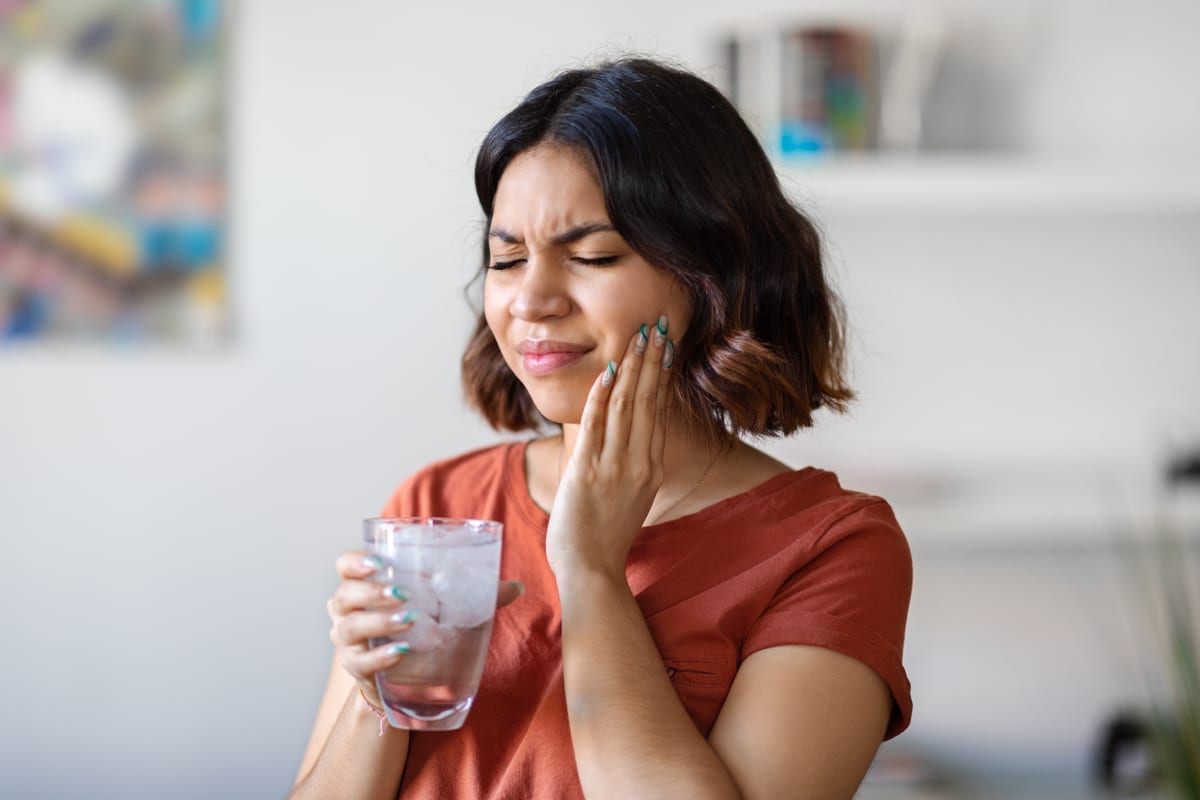

When you lose a tooth, the decision you make next matters more than most people realize. The debate over dentures vs. implants — which actually preserves your jaw better in Peachtree Corners — is one Dr. Park Skelton addresses with patients every week. Both options restore your smile, but they affect your jawbone in very different ways. Understanding those differences helps you make a confident, informed choice for your long-term health.
Why Jaw Preservation Should Drive Your Decision
Most patients focus on the upfront cost or appearance of tooth replacement. What they often overlook is what happens beneath the gumline. Your jawbone stays healthy when it receives regular stimulation — the kind that tooth roots naturally provide.
When a tooth is lost and never replaced, the bone underneath begins to shrink. Dentists call this process bone resorption. Within the first year of tooth loss, you can lose up to 25% of bone width in that area. Over time, that changes your facial structure, your bite, and your overall oral health.
This is the core reason the dentures vs. implants comparison in Peachtree Corners goes deeper than aesthetics. The choice you make today shapes your jaw for decades to come.
How Traditional Dentures Affect Your Jawbone
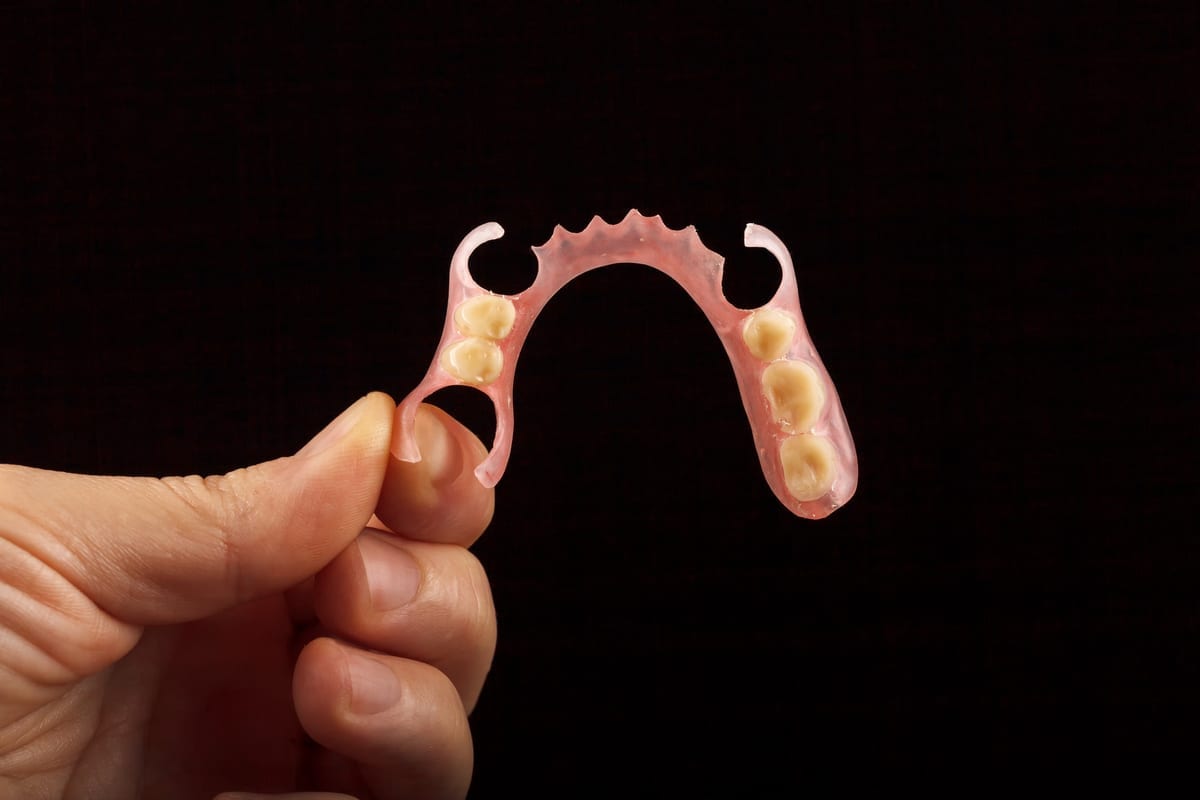
Dentures are a time-tested solution. They are removable, relatively affordable upfront, and can restore a full arch of missing teeth quickly. For many patients, they offer a practical starting point.
However, dentures rest on the gums — they do not attach to the jawbone. Because of this, they provide no stimulation to the underlying bone. Bone resorption continues even after you get dentures. In fact, ill-fitting dentures can actually accelerate bone loss by putting uneven pressure on the ridge.
Over time, patients with dentures often notice changes in how well their appliance fits. Loose dentures are not just uncomfortable — they signal that the bone has shifted. Adjustments and eventual replacements become necessary as the jaw changes shape.
- No bone stimulation from traditional dentures
- Bone loss continues after denture placement
- Fit degrades as the jawbone shrinks over time
- Patients may need periodic relining or new dentures
- Chewing efficiency drops significantly compared to natural teeth
Dentures also limit what you can eat. Sticky, hard, or crunchy foods become difficult or impossible. That can affect nutrition and overall wellbeing over the long term.
Dentures vs. Implants: How Implants Protect the Jawbone
Dental implants take a fundamentally different approach. Instead of sitting on top of the gums, a titanium post is placed directly into the jawbone. This post acts as an artificial tooth root. It provides the stimulation the bone needs to stay dense and healthy.
A process called osseointegration occurs over several months after placement. The jawbone actually fuses to the titanium implant. This creates a stable, permanent anchor for a crown, bridge, or implant-supported denture. The bone is preserved — and in some cases, even strengthened.
Patients considering Dental Implants Peachtree Corners often ask how long they last. With proper care, implants can last a lifetime. The restoration on top may need replacing eventually, but the implant itself is designed to be permanent.
- Titanium post stimulates bone like a natural root
- Osseointegration prevents ongoing bone resorption
- Implants do not shift or require adhesive
- Chewing function closely matches natural teeth
- No impact on adjacent healthy teeth
- Long-term facial structure is preserved
This is why most dental professionals consider implants the gold standard for tooth replacement. They address the root cause of bone loss — not just the visible gap in your smile.
Comparing Cost, Function, and Quality of Life
It would be unfair to discuss this topic without addressing cost. Implants typically require a larger upfront investment than traditional dentures. That is a real consideration, and Dr. Park Skelton respects that every patient’s financial situation is unique.
However, it helps to think about total long-term cost. Dentures often need relining every few years. Full replacements may be needed every seven to ten years as the jaw changes. Those ongoing costs add up over a lifetime. Implants, by contrast, often prove more cost-effective over a 20 to 30-year span.
Function is another major difference. Implant patients typically report eating without restriction. They speak more confidently and do not worry about their restoration shifting in social situations. Many say implants simply feel like natural teeth — because they behave like them.
Quality of life research consistently favors implants when patients are surveyed years after treatment. Confidence, dietary freedom, and comfort all score higher among implant recipients. For patients in Peachtree Corners weighing dentures vs. implants, that long-term picture deserves serious weight.
When Dentures Might Still Be the Right Choice
Implants are not the right fit for every patient. Some individuals have significant bone loss that requires grafting before implant placement is possible. Others may have health conditions that affect healing. In those cases, dentures — or implant-supported dentures as a middle ground — may be the appropriate path.
Implant-supported dentures combine both worlds. A few strategically placed implants anchor a full denture. This eliminates the slipping problem and provides some bone stimulation. It is a popular option for patients who want implant stability without replacing every tooth individually.
If past dental issues like infection or decay led to tooth loss, addressing underlying problems first is essential. Treatments such as Root Canal Treatment Peachtree Corners can sometimes save a tooth before extraction becomes necessary. Dr. Park Skelton evaluates every case individually to find the most conservative, effective approach.
What to Expect at Peachtree Corners Dentistry
Choosing between dentures and implants starts with a thorough evaluation. At Peachtree Corners Dentistry, Dr. Park Skelton reviews your bone density, overall oral health, and personal goals before recommending any treatment plan. There is no one-size-fits-all answer.
The consultation includes a detailed conversation about your lifestyle, budget considerations, and timeline. Patients leave with a clear understanding of their options — not a sales pitch. The goal is always to help you make the best decision for your mouth and your life.
Whether you are just beginning to explore tooth replacement or you are unhappy with an existing denture, our team is here to help. Book Now to schedule your appointment with our team.
Frequently Asked Questions
Which option preserves the jawbone better — dentures or implants?
Dental implants preserve the jawbone far better than traditional dentures. Implants are placed directly into the bone and stimulate it the way natural tooth roots do. Dentures rest on the gums and provide no bone stimulation, allowing resorption to continue over time.
Can I switch from dentures to dental implants later?
Many patients do make this transition. However, long-term denture wear often results in significant bone loss, which may require a bone graft before implants can be placed. The sooner you consider implants after tooth loss, the more bone is typically available for a straightforward procedure.
How long do dental implants last compared to dentures?
With proper care, dental implants can last a lifetime. The crown or restoration attached to the implant may need replacement after 10 to 15 years. Traditional dentures typically require relining every few years and full replacement every 7 to 10 years as the jaw changes shape.
Are dental implants painful to get?
Most patients are surprised by how comfortable the implant process is. Local anesthesia is used during placement, and many people compare the experience to a tooth extraction. Some soreness in the days following is normal and manageable with over-the-counter pain relief.
Is there an option that combines dentures and implants?
Yes — implant-supported dentures offer a middle ground. A small number of implants are placed to anchor a full denture securely. This eliminates slipping and provides some bone stimulation. It is often a practical solution for patients who have lost most or all of their teeth and want improved stability without individual implants for every tooth.