

You have probably heard it your whole life: see your dentist twice a year. But have you ever wondered where that rule actually comes from? Understanding why your dentist recommends checkups every six months—and when you need more in Peachtree Corners—can help you take smarter control of your oral health. At Peachtree Corners Dentistry, Dr. Park Skelton believes informed patients make better decisions. So let’s break down the science, the history, and the exceptions to this widely followed guideline.
Where Did the Six-Month Rule Come From?
The twice-yearly dental visit became standard practice in the mid-20th century. It was partly shaped by public health campaigns and early dental research. Scientists observed that most cavities and early gum disease develop slowly. A six-month window gives dentists enough time to catch problems before they become serious.
That timing also aligns with how quickly plaque hardens into tartar. Tartar cannot be removed by brushing alone. Professional Dental Cleanings And Exams at regular intervals keep tartar buildup under control. Without that cleaning, bacteria have more time to damage enamel and irritate gum tissue.
Modern research largely supports this six-month interval for healthy adults. It offers a strong balance between prevention and practicality. For most patients in Peachtree Corners, GA, two visits per year is an effective baseline.
What Happens During a Six-Month Checkup in Peachtree Corners?
Each checkup is more than a quick look at your teeth. Dr. Skelton and the team at Peachtree Corners Dentistry perform a thorough evaluation at every visit. This helps catch developing issues early, when treatment is simpler and less involved.
Here is what a standard checkup typically includes:
- A full visual exam of teeth, gums, and soft tissues
- Screening for early signs of gum disease and tooth decay
- Oral cancer screening for unusual spots or lesions
- X-rays as needed to detect problems below the surface
- A professional cleaning to remove plaque and tartar buildup
- A personalized review of your at-home care habits
These steps work together to give you a complete picture of your oral health. Catching a small cavity early avoids a root canal later. Finding gum inflammation early prevents bone loss down the road. Prevention is always more comfortable than treatment.
Why Some Patients in Peachtree Corners Need More Frequent Visits
The six-month rule works well for many people—but it is not a one-size-fits-all guideline. Some patients face higher risks that require more frequent professional attention. Dr. Skelton evaluates each patient individually to determine the right schedule.
You may benefit from visits every three or four months if you have any of these risk factors:
- Active gum disease or a history of periodontal treatment
- A tendency to build up tartar quickly
- Dry mouth caused by medications or health conditions
- Diabetes or other systemic conditions linked to oral health
- A history of frequent cavities despite good home care
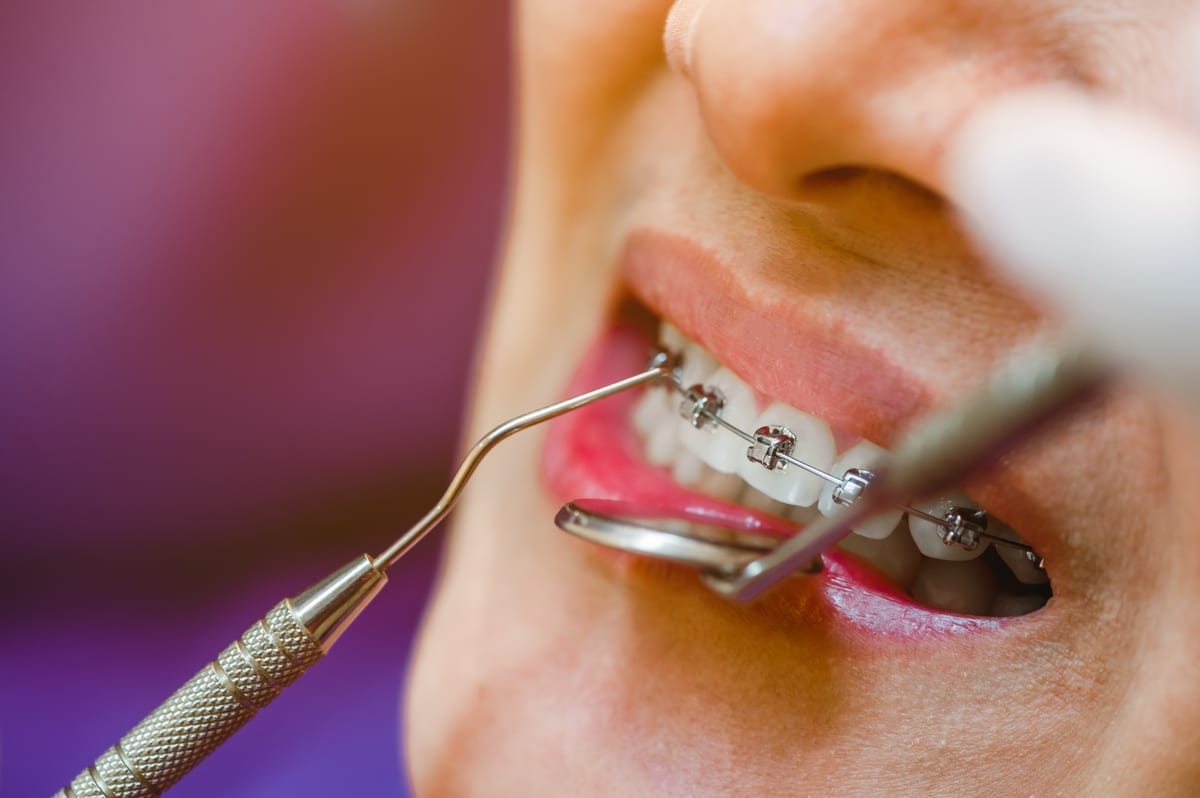
- Current orthodontic treatment that makes cleaning harder
- Pregnancy, which increases gum sensitivity and inflammation
- Heavy tobacco or alcohol use
These factors raise your baseline risk for oral disease. More frequent monitoring helps your dental team stay ahead of problems. Your schedule may also shift over time as your health changes.
The Connection Between Oral Health and Overall Health
Regular checkups do more than protect your smile. Research consistently links poor oral health to serious systemic conditions. Heart disease, diabetes complications, and respiratory issues have all been associated with untreated gum disease.
Bacteria from infected gums can enter the bloodstream. This may trigger inflammation in other parts of the body. Keeping your mouth healthy is one way to support your overall wellness.
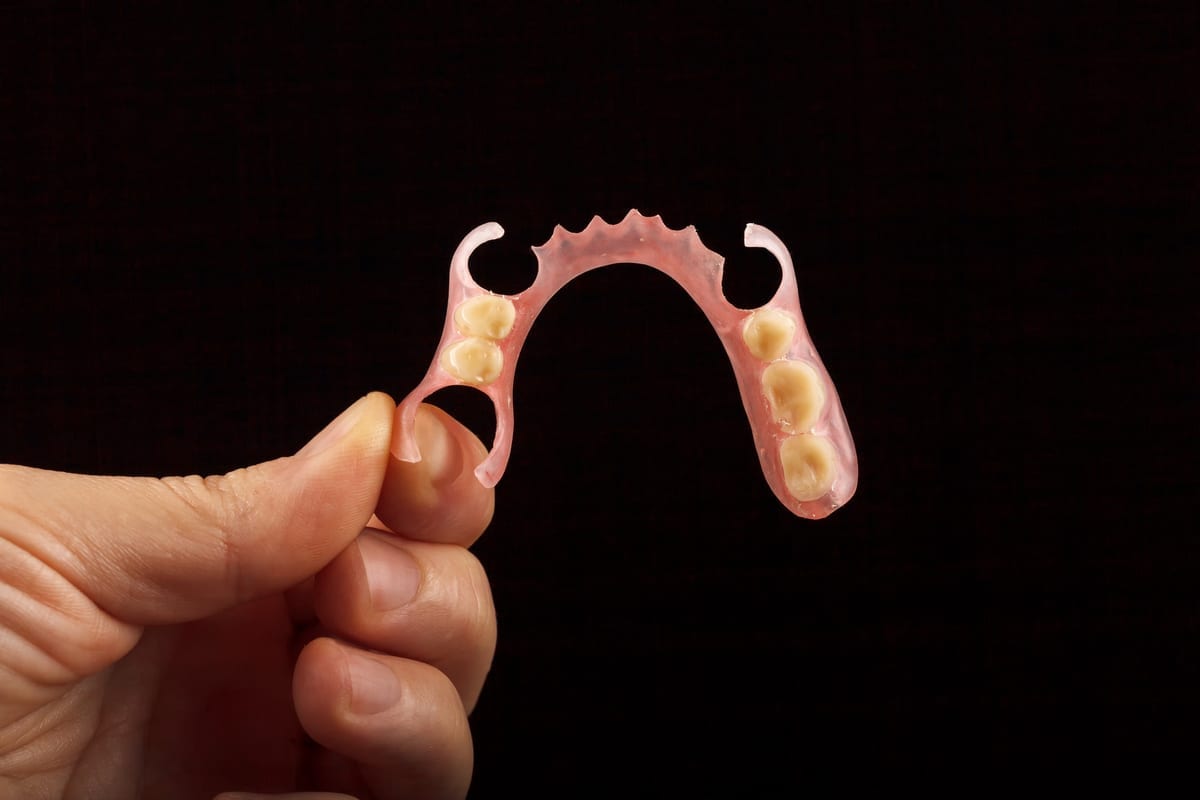
For patients who have had tooth loss, staying current with dental visits is especially important. Bone health and bite alignment can shift over time. Options like Dental Implants may help restore function and prevent further bone loss. Your dentist can help you understand which solutions fit your situation best.
Dr. Skelton takes a whole-health approach at Peachtree Corners Dentistry. Every checkup is an opportunity to catch signs of broader health concerns. Your mouth often reflects what is happening in the rest of your body.
How to Make the Most of Every Checkup Visit
Showing up is the most important step. But there are ways to make each visit even more valuable for your long-term health. A little preparation goes a long way.
Before your appointment, think about any changes you have noticed. New sensitivity, bleeding gums, or discomfort are all worth mentioning. Even minor symptoms can point to early problems that are easy to address now.
Be honest with your dental team about your home care habits. If you rarely floss or use tobacco, your provider needs to know. Judgment-free conversations lead to better, more personalized advice. The goal is always to help you succeed, not to lecture you.
After your visit, follow through on any recommendations. If Dr. Skelton suggests a follow-up or a different brushing technique, take that guidance seriously. Small adjustments at home can significantly reduce your risk between visits.
Conclusion: Find Your Right Checkup Frequency
The six-month recommendation exists for good reason—and it works well for millions of healthy adults. But dental care is personal. Your risk factors, health history, and lifestyle all play a role in determining the right schedule for you. At Peachtree Corners Dentistry, Dr. Park Skelton takes the time to understand your unique situation. Whether you need two visits a year or four, the goal is the same: keep your mouth healthy for life. Book Now to schedule your appointment with our team.
Frequently Asked Questions
Is the six-month dental checkup rule backed by science?
Yes, research supports twice-yearly visits for most healthy adults. The interval allows dentists to catch early decay and gum disease before they progress. However, the guideline is a starting point, not a rigid rule for everyone.
How do I know if I need more than two dental visits per year?
Your dentist will assess your individual risk factors at each checkup. Conditions like gum disease, dry mouth, diabetes, or a history of frequent cavities often indicate a need for more frequent visits. Dr. Skelton at Peachtree Corners Dentistry tailors visit schedules to each patient.
What happens if I skip my six-month checkup?
Skipping checkups allows plaque and tartar to accumulate without professional removal. Small cavities and early gum inflammation can go undetected. Over time, this raises the risk of needing more complex and costly treatments.
Can children follow the same six-month checkup schedule as adults?
Yes, children generally follow the same twice-yearly schedule starting around age one or when their first tooth appears. Children who develop cavities frequently may need more visits. Early dental habits set the foundation for lifelong oral health.
Do I still need checkups if my teeth feel fine?
Absolutely. Many dental problems—including cavities between teeth, early gum disease, and even oral cancer—have no noticeable symptoms in their early stages. Regular checkups catch issues before they cause pain or visible damage. Feeling fine is a good sign, but it is not a substitute for professional evaluation.