

Walking into a dental office for the first time as an adult can feel overwhelming. You may not know what to expect or why each step matters. This guide covers your first dental exam explained — what happens, step by step — so Peachtree Corners patients feel confident and prepared. At Peachtree Corners Dentistry, Dr. Park Skelton and our team make every visit clear, comfortable, and stress-free.
Step by Step: What Happens During Your First Dental Exam in Peachtree Corners
Your first appointment is more thorough than a routine return visit. Our team needs to build a complete picture of your oral health from scratch. That means gathering health history, taking X-rays, and doing a full clinical exam. Each step has a specific purpose — none of it is just routine paperwork.
Here is a quick look at the overall flow of your first visit:
- Health history review and medical intake
- Digital dental X-rays
- Oral cancer screening
- Gum and periodontal health assessment
- Tooth-by-tooth clinical exam by Dr. Skelton
- Professional teeth cleaning by our dental hygienist
- Personalized treatment plan discussion
Understanding this order helps you feel less anxious. You will always know what comes next and why it matters for your health.
Health History, X-Rays, and Oral Cancer Screening Explained
Your first step is completing a health history form. This covers medications, allergies, and any medical conditions you currently manage. Many health conditions — like diabetes or heart disease — directly affect oral health. Dr. Skelton reviews this information before he ever looks in your mouth.
Next, our team takes digital dental X-rays. X-rays reveal problems invisible to the naked eye. They show decay between teeth, bone loss, and issues below the gumline. Digital X-rays use far less radiation than traditional film X-rays.
After X-rays, we perform an oral cancer screening. This quick check examines your lips, tongue, cheeks, and throat. Early detection of oral cancer dramatically improves treatment outcomes. It takes less than two minutes and requires no special equipment or discomfort.
What the Hygienist Does: Gum Assessment and Professional Cleaning
Your dental hygienist plays a central role in your first exam. They begin with a periodontal assessment — measuring the depth of the pockets around each tooth. Healthy gum pockets measure between one and three millimeters. Deeper pockets can signal early gum disease that needs attention.
After the gum assessment, your hygienist performs a professional cleaning. This is also called a prophylaxis, or prophy. Dental Cleanings And Exams remove hardened plaque — called tartar or calculus — that brushing and flossing cannot eliminate at home. Even diligent brushers develop tartar buildup over time.
The cleaning involves scaling, polishing, and flossing between every tooth. Your hygienist also checks for signs of teeth grinding, worn enamel, and sensitivity. They will share personalized tips for your home care routine. This coaching is tailored to your specific needs — not a generic handout.
Dr. Skelton’s Clinical Exam: What He Checks and Why It Matters
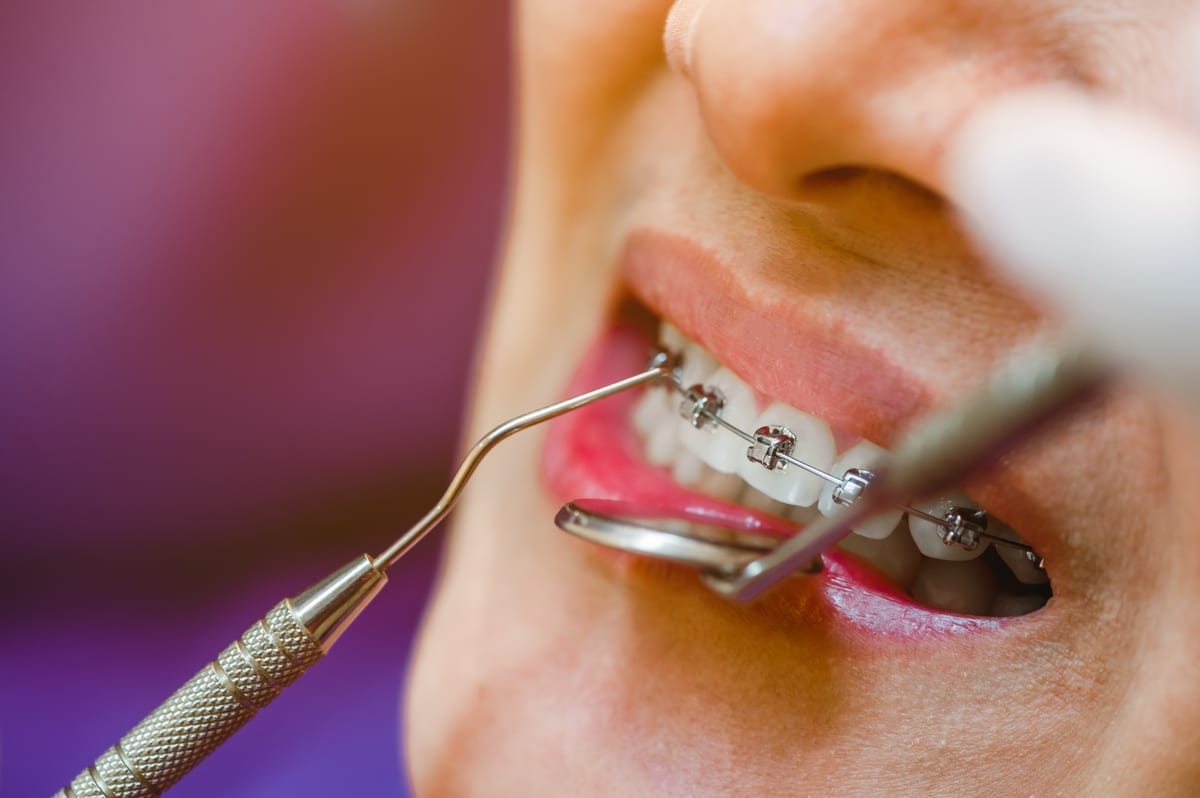
Once the cleaning is complete, Dr. Park Skelton performs the full clinical exam. He reviews your X-rays alongside a visual inspection of every tooth. He checks for cavities, cracks, worn fillings, and bite alignment issues. This comprehensive review catches problems early — before they become costly or painful.
Dr. Skelton also evaluates your jaw joint, or TMJ, for clicking or discomfort. He checks your bite to see how your upper and lower teeth come together. Bite problems can cause headaches, jaw pain, and uneven tooth wear. Catching these issues early gives you more treatment options.
Here is what Dr. Skelton specifically looks for during your clinical exam:
- Cavities or early signs of tooth decay
- Cracked or chipped teeth
- Existing restorations that need replacement
- Gum disease or recession
- TMJ dysfunction or bite problems
- Tooth loss that may benefit from Dental Implants
- Cosmetic concerns you want to address
After the exam, Dr. Skelton sits with you and explains everything he found. He prioritizes your concerns and never rushes this conversation. You leave with a clear understanding of your oral health — and a plan if any treatment is needed.
After Your Exam: Understanding Your Treatment Plan
Some patients leave their first exam with a clean bill of health. Others learn they have a cavity or early gum disease that needs follow-up. Either way, you receive a personalized treatment plan with clear next steps. Dr. Skelton explains every recommended service and why it matters for your long-term health.
Your treatment plan may include simple services like a follow-up cleaning. It might also include restorative care like crowns, fillings, or root canal treatment. If you have cosmetic goals, Dr. Skelton can discuss options like veneers or teeth whitening. The plan is always built around your priorities — not a one-size-fits-all protocol.
No pressure is ever applied to complete everything at once. Dr. Skelton helps you understand which issues are urgent and which can wait. You make informed decisions about your care at your own pace. Our goal is to be a trusted partner in your long-term oral health.
Schedule Your First Visit at Peachtree Corners Dentistry
Now that your first dental exam is explained step by step, Peachtree Corners patients can walk in with total confidence. Dr. Park Skelton and our friendly team are here to make your experience welcoming and educational. We take the time to answer every question and never rush a single appointment. Your health and comfort are always the priority at Peachtree Corners Dentistry.
Ready to get started? Book Now to schedule your appointment with our team.
Frequently Asked Questions
How long does a first dental exam usually take?
A first dental exam typically takes between 60 and 90 minutes. The extra time is needed for X-rays, health history review, a full cleaning, and Dr. Skelton’s comprehensive clinical evaluation. Return visits are usually shorter once your baseline records are established.
Does a dental exam hurt?
Most patients experience little to no discomfort during a routine dental exam. The gum pocket measurements may feel slightly sensitive if your gums are inflamed. Let your hygienist or Dr. Skelton know at any point if you feel uncomfortable — they will adjust right away.
What should I bring to my first dental appointment?
Bring a list of any current medications, supplements, and known allergies. If you have recent dental X-rays from a previous provider, those can be helpful to share. Arriving a few minutes early to complete your new patient paperwork is also a good idea.
How often should I get a dental exam and cleaning after my first visit?
Most adults benefit from a dental exam and cleaning every six months. Patients with active gum disease or a higher risk of decay may need more frequent visits. Dr. Skelton will recommend a schedule based specifically on your oral health findings.
What if Dr. Skelton finds a problem during my exam?
If Dr. Skelton identifies an issue, he will explain it clearly and outline your treatment options. Many problems caught early — like a small cavity or early gum disease — are straightforward to treat. You will never be pressured to make a same-day decision about any recommended service.