
Losing a tooth is stressful. Choosing how to replace it can feel even more overwhelming. If you are exploring your options in Norcross, understanding dental implants vs. dentures vs. bridges — which one is right for you — is the best place to start. Each option works differently, costs differently, and suits different lifestyles. At Peachtree Corners Dentistry, Dr. Park Skelton helps patients make confident, informed decisions every day.
Understanding Your Three Main Tooth Replacement Options
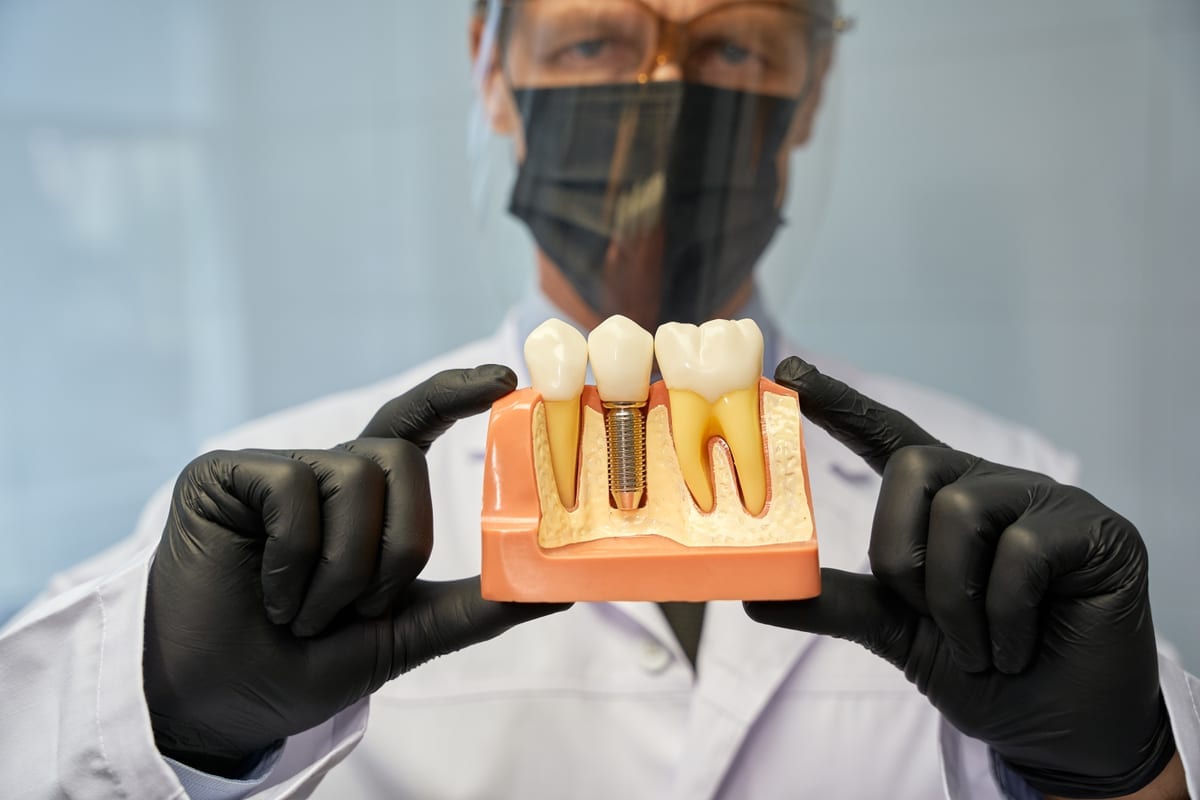
Before comparing, it helps to understand what each option actually is. A dental implant is a titanium post surgically placed into your jawbone. It acts like a natural tooth root and supports a custom crown on top.
A dental bridge spans the gap left by a missing tooth. It anchors to the two teeth on either side of the gap. Those anchor teeth are permanently altered to hold the bridge in place.
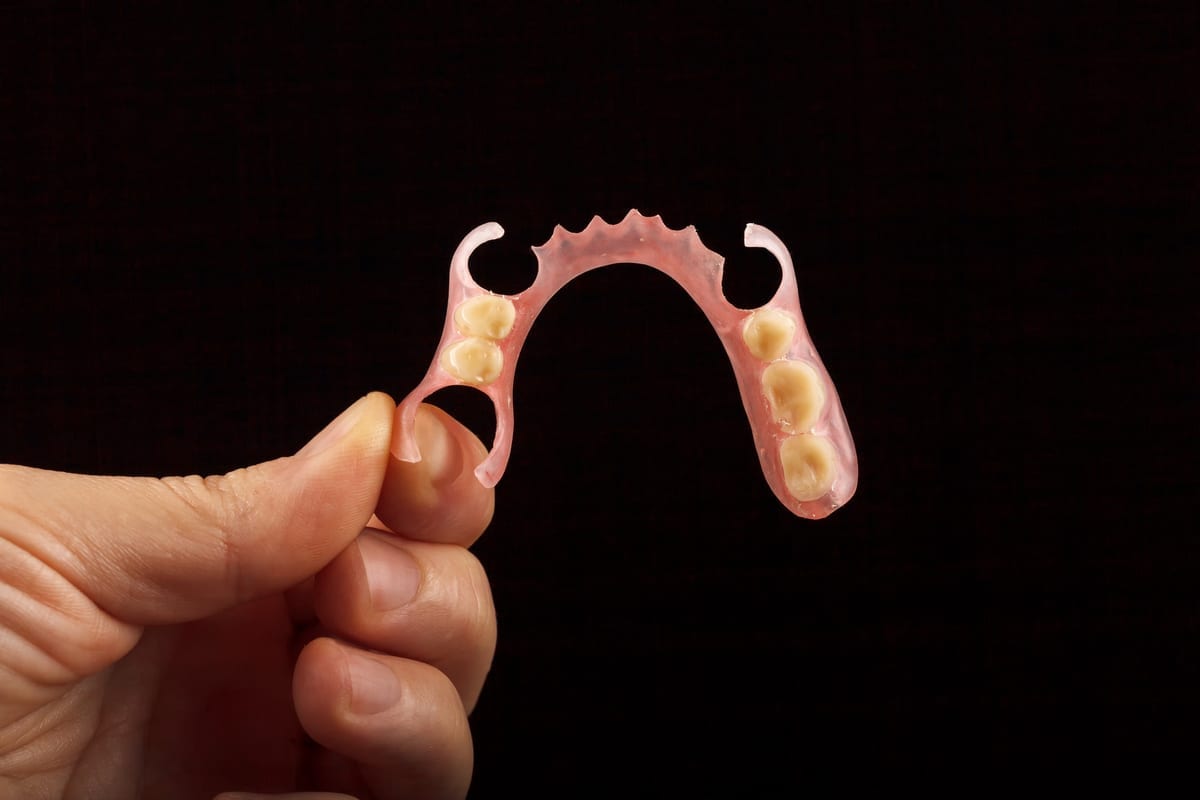
A denture is a removable appliance that replaces one tooth or many at once. Full dentures replace an entire arch of teeth. Partial dentures fill gaps while surrounding natural teeth remain.
Each solution has real advantages. The right choice depends on your oral health, bone density, budget, and long-term goals. A professional consultation is the only way to know which fits your situation best.
Dental Implants vs. Dentures vs. Bridges: Key Differences for Norcross Patients
Let us break down the core differences side by side so you can evaluate each option clearly.
- Dental Implants: Permanent, bone-preserving, and the closest to a natural tooth. Require surgery and a healing period. Long-lasting with proper care.
- Dental Bridges: Fixed in place without surgery. Faster treatment timeline. Require shaping healthy adjacent teeth. Do not prevent jawbone loss.
- Dentures: Most affordable upfront. Non-surgical option. Removable for cleaning. May shift over time. Bone loss can cause fit issues later.
One important factor many patients overlook is bone health. When a tooth root is gone, the jawbone beneath it begins to shrink. Implants stimulate the bone just like a natural root. Bridges and dentures do not offer that benefit.
Another factor is maintenance. Implants are cared for like natural teeth. Bridges require special flossing tools. Dentures need daily removal and cleaning routines.
Who Is a Good Candidate for Each Option?
Not every patient qualifies for every treatment. Your overall health, bone structure, and the number of missing teeth all matter. Here is a general guide to help you think through your eligibility.
Dental implants work best for patients who have sufficient jawbone density and healthy gums. You should be a non-smoker or willing to quit, since smoking affects healing. Most healthy adults are good candidates after a thorough evaluation.
Dental bridges are a strong choice when the teeth beside the gap are already compromised or in need of crowns. If bone loss or health conditions make implant surgery risky, a bridge offers a stable fixed solution.
Dentures are ideal when multiple teeth are missing or when full arch replacement is needed. They also work well for patients who prefer a non-surgical approach. Modern dentures are more comfortable and natural-looking than ever before.
- Good implant candidate: Healthy gums, adequate bone, non-smoker, one or a few missing teeth
- Good bridge candidate: Strong adjacent teeth or existing crowns needed, avoiding surgery
- Good denture candidate: Many missing teeth, full arch loss, non-surgical preference, budget-conscious timeline
Long-Term Costs and Durability: What to Expect
Cost is often the first thing patients ask about. It is important to think beyond the upfront price and consider long-term value. Dental implants cost more initially but can last a lifetime with proper care. That makes them very cost-effective over time.
Bridges typically last 10 to 15 years before they need replacement. The process of preparing adjacent teeth also means those teeth are permanently changed. If the bridge fails, those teeth may need crowns or further treatment.
Dentures usually need adjustment or replacement every 5 to 7 years. Bone changes under the gum affect how well they fit over time. Poorly fitting dentures can cause sores and difficulty eating or speaking.
Routine care matters no matter which option you choose. Staying current with your Dental Cleanings And Exams helps protect your investment, whether that is an implant, bridge, or denture. Regular visits allow Dr. Skelton to catch small issues before they become costly ones.
Combining Options: When One Solution Is Not Enough
Some patients benefit from combining treatments. For example, implant-supported dentures use implants to anchor a full denture securely. This eliminates the slipping problem while preserving bone health.
Others may receive a bridge in one area and an implant in another. Your treatment plan should reflect your unique dental situation, not a one-size-fits-all approach. Dr. Skelton evaluates each patient individually to build a plan that makes sense.
Cosmetic concerns matter too. Patients who want to improve the appearance of their remaining natural teeth alongside tooth replacement may also want to explore options like Dental Veneers. A complete smile makeover can address both function and aesthetics together.
Making Your Decision: A Simple Framework
Choosing between dental implants, dentures, and bridges comes down to four core questions. Ask yourself each one honestly before your consultation.
- How many teeth am I missing? One tooth favors implants or bridges. Many missing teeth may call for dentures or implant-supported solutions.
- Is my jawbone healthy enough? Bone density affects implant eligibility. X-rays and a clinical exam will reveal the answer.
- Am I willing to have surgery? Implants require a surgical procedure. Bridges and dentures do not.
- What is my long-term goal? If permanence and bone preservation matter most, implants lead the way. If speed and cost are priorities, bridges or dentures may be better suited.
There is no universally correct answer. The best option is the one that fits your health, goals, and lifestyle right now. A knowledgeable dentist will help you weigh the trade-offs clearly.
Schedule Your Consultation at Peachtree Corners Dentistry
If you are in Norcross and ready to replace missing teeth, Dr. Park Skelton and the team at Peachtree Corners Dentistry are here to guide you. We take the time to listen, examine, and explain your options without pressure. Our goal is to help you feel confident in your decision. Book Now to schedule your appointment with our team.
Frequently Asked Questions
How long do dental implants last compared to bridges and dentures?
Dental implants can last a lifetime with proper care and good oral hygiene. Bridges typically last 10 to 15 years. Dentures usually need adjustment or replacement every 5 to 7 years due to changes in the jawbone over time.
Are dental implants painful to get?
Most patients report that the procedure is more comfortable than they expected. Local anesthesia is used during the surgery. Some soreness and swelling occur during healing, but this is manageable with standard post-procedure care guidance from your dentist.
Can I get dental implants if I have bone loss in my jaw?
It depends on the degree of bone loss. Some patients require a bone graft before implant placement to build up the jawbone. Dr. Skelton will assess your bone density during your consultation and discuss whether grafting is needed.
Will my dentures or bridge look natural?
Modern restorations are designed to closely match your natural teeth in color, shape, and size. Whether you choose implants, a bridge, or dentures, your restoration will be crafted to blend seamlessly with your smile and facial structure.
How do I know which tooth replacement option is right for me?
The best way to find out is through a professional evaluation. Dr. Skelton will review your dental X-rays, examine your gum and bone health, and discuss your personal goals. From there, he will recommend the option that best fits your unique situation.