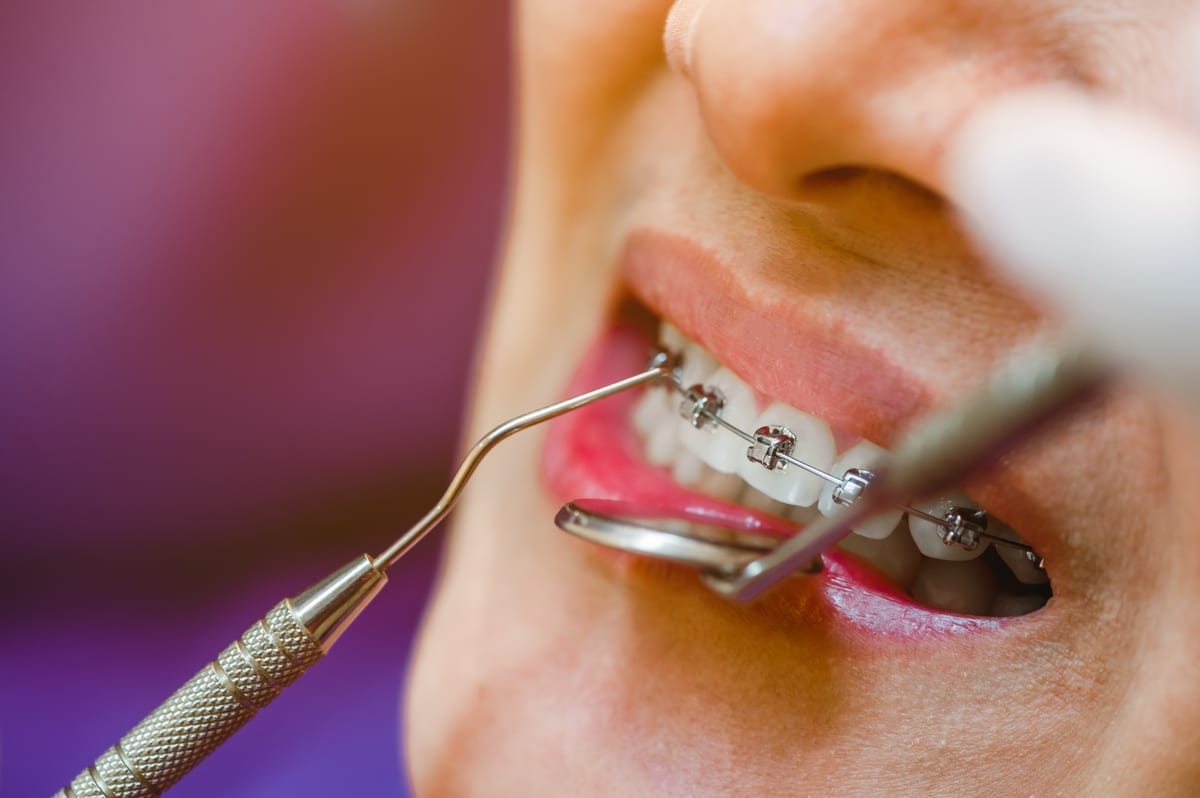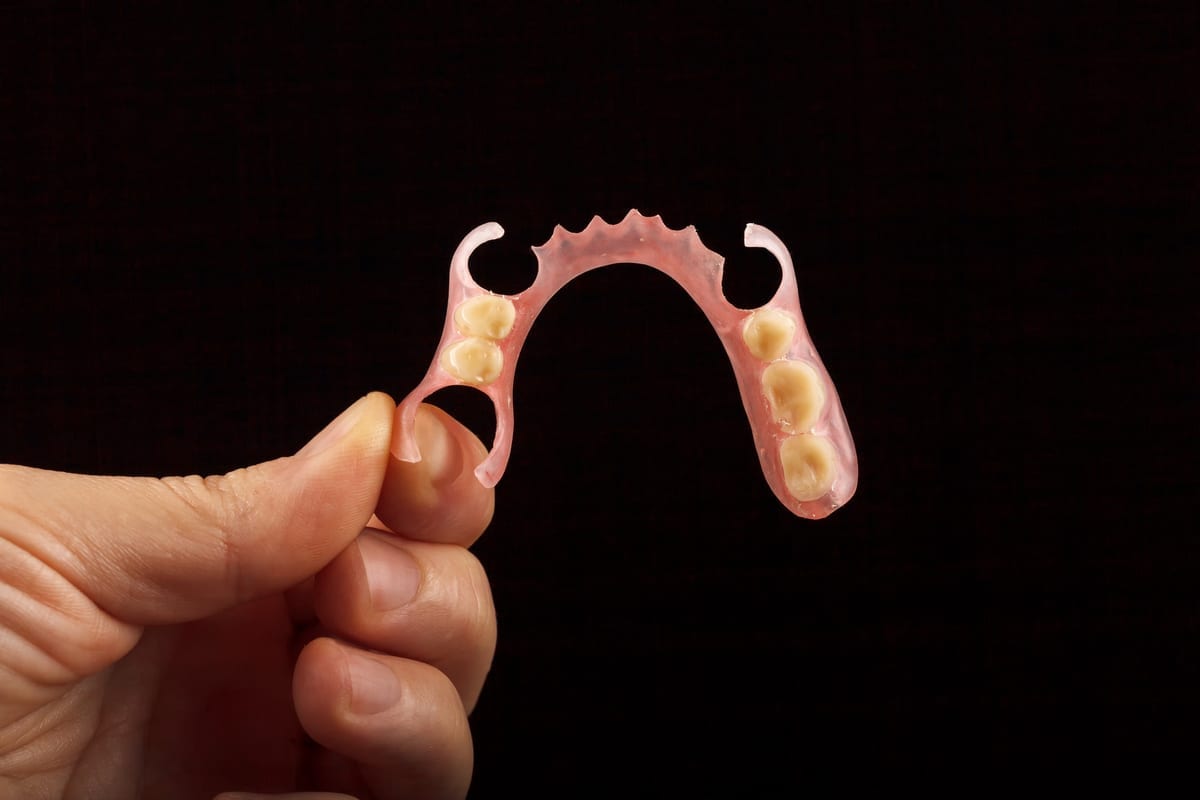


A cracked tooth emergency can catch you completely off guard. One moment you are eating dinner or playing with your kids, and the next you feel a sharp snap. If you are dealing with a cracked tooth emergency in Peachtree Corners right now, this guide will walk you through exactly what to do before your appointment. Acting quickly and correctly can protect your tooth and reduce your pain significantly.
Dr. Park Skelton and the team at Peachtree Corners Dentistry treat broken and cracked teeth regularly. We understand how frightening and painful this experience can be. Here is everything you need to know from the moment it happens until you sit in our dental chair.
Step-By-Step: First Aid for a Cracked Tooth Emergency in Peachtree Corners
The first few minutes after cracking a tooth matter more than most people realize. Your immediate actions can protect the tooth and prevent further damage. Follow these steps as soon as possible after the injury occurs.
- Rinse your mouth gently with warm water to clean the area.
- Apply gentle pressure with a clean gauze if there is any bleeding.
- Use a cold compress on the outside of your cheek to reduce swelling.
- Take over-the-counter pain relief like ibuprofen or acetaminophen to manage discomfort.
- Save any broken tooth fragments in a small container of milk or saliva.
- Avoid chewing on that side of your mouth entirely until you see a dentist.
Do not try to glue a broken tooth back together at home. Avoid putting aspirin directly on the gum tissue — this can cause a chemical burn. These simple steps keep you comfortable and give your dentist the best chance to save the tooth.
What to Avoid After a Cracked or Broken Tooth
Knowing what NOT to do is just as important as knowing the right steps. Some common reactions can actually make the damage worse. Keep this short list in mind while you wait for your appointment.
- Avoid hard or crunchy foods — they can deepen the crack or break off more of the tooth.
- Skip very hot or cold drinks — the exposed inner layer of the tooth is highly sensitive.
- Do not probe the crack with your tongue repeatedly — this can irritate the nerve.
- Avoid sweet or sticky foods — sugar accelerates bacterial growth in an exposed tooth.
- Do not ignore pain that worsens — this can signal nerve involvement or infection.
Some patients feel tempted to wait and see if the tooth heals on its own. Teeth cannot heal themselves the way soft tissue can. Waiting too long often turns a simple crack into a more serious situation requiring additional treatment.
How Serious Is Your Cracked Tooth? Understanding the Different Types
Not all cracks are the same. Understanding the type of crack helps you gauge the urgency of your situation. Dr. Park Skelton will make a full assessment during your appointment, but here is a helpful overview.
Craze lines are tiny surface cracks that affect only the outer enamel. They rarely cause pain and are mostly cosmetic concerns. These are the least serious type of crack.
Fractured cusps occur when a piece of the chewing surface breaks off. These often happen around existing fillings. They usually cause mild to moderate pain when chewing.
Cracked teeth extend from the chewing surface toward the root. If caught early, the tooth is often treatable. Left untreated, the crack can spread and threaten the entire tooth.
Split teeth happen when a crack extends below the gumline. This is the most serious type. It usually means the tooth cannot be saved in its entirety.
Vertical root fractures start at the root and move upward. They often go undetected until infection develops. These frequently require extraction followed by a restorative option like Dental Implants Peachtree Corners to restore function and appearance.
What Treatment Options Should You Expect at Your Appointment?
Once you arrive at Peachtree Corners Dentistry, Dr. Skelton will examine the crack carefully. He may use X-rays or a special dental dye to see the full extent of the damage. From there, your treatment plan will depend on the severity and location of the crack.
For minor cracks and fractured cusps, a dental crown or bonding is often the right solution. A crown covers and protects the entire visible tooth. This restores both function and appearance with a single procedure.
If the crack has reached the inner pulp of the tooth, a Root Canal Treatment Peachtree Corners may be necessary. This procedure removes the damaged nerve tissue and seals the tooth. Many patients find root canals far more comfortable than they expected.
In cases where the tooth cannot be saved, extraction may be the only option. Dr. Skelton will always discuss tooth replacement options with you at that time. Restoring the gap promptly protects your surrounding teeth and jaw health long-term.
When Is a Cracked Tooth a True Dental Emergency?
Some cracked tooth situations require you to seek care the same day — without delay. Knowing the warning signs helps you make the right call quickly. Do not wait for a scheduled appointment if you experience any of the following.
- Severe, throbbing pain that does not respond to over-the-counter medication
- Swelling in the jaw, face, or gum tissue near the tooth
- Fever or a bad taste in your mouth — both can signal infection
- Visible bleeding that does not stop within 10 to 15 minutes
- A large portion of the tooth that has broken off completely
These symptoms suggest the nerve or surrounding tissue may already be affected. Dental infections can spread quickly if left untreated. Peachtree Corners Dentistry is equipped to handle true dental emergencies and will prioritize getting you seen as fast as possible.
Preventing Future Cracked Teeth: Practical Tips from Dr. Skelton
Once your cracked tooth is treated, protecting your remaining teeth becomes a priority. A few smart habits can dramatically reduce your risk going forward. Dr. Skelton and his team are always happy to discuss personalized prevention strategies during your visit.
Wear a custom-fitted night guard if you grind your teeth while sleeping. Bruxism — tooth grinding — is one of the leading causes of cracked teeth in adults. A well-fitted guard absorbs the pressure that would otherwise fracture your enamel.
Avoid using your teeth as tools to open packages or bottles. Never chew on ice, hard candies, or unpopped popcorn kernels. These habits apply enormous force to your teeth and create micro-fractures over time.
Stay current with regular teeth cleanings and check-ups at Peachtree Corners Dentistry. Routine visits allow Dr. Skelton to spot early signs of weakening enamel or cracking. Catching problems early almost always means simpler, less costly treatment.
Frequently Asked Questions
Can a cracked tooth heal on its own?
No. Unlike soft tissue, teeth do not regenerate or repair themselves. A cracked tooth will not improve without professional dental treatment. In most cases, an untreated crack will worsen over time and may eventually require more extensive care.
Is a cracked tooth always painful?
Not always. Some cracks — like surface craze lines — cause little to no discomfort at all. Others cause sharp pain when biting or sensitivity to temperature. If you suspect a crack even without pain, it is still important to have a dentist evaluate it promptly.
How long can I wait before seeing a dentist for a cracked tooth?
You should contact a dentist as soon as possible — ideally the same day or within 24 hours. If you have severe pain, swelling, or visible damage, treat it as a dental emergency and seek care immediately. Delaying treatment increases the risk of infection and may reduce the chance of saving the tooth.
Will I need a root canal if my tooth is cracked?
Not necessarily. Whether a root canal is needed depends on how deep the crack extends. If the crack has reached the inner pulp where the nerve lives, a root canal is typically required before the tooth is crowned. Dr. Skelton will assess your specific situation and recommend the most appropriate treatment.
What if I cannot afford to fix my cracked tooth right away?
We encourage you to call Peachtree Corners Dentistry and speak with our team. We can discuss flexible payment options and help you understand what steps are most urgent. Delaying a cracked tooth emergency can lead to more complex treatment needs, so reaching out sooner is always the better choice.
Dealing with a dental emergency is stressful, but you do not have to handle it alone. Dr. Park Skelton and the Peachtree Corners Dentistry team are here to guide you through every step — from your first phone call to your full recovery. Book Now to schedule your appointment with our team.