

Teeth whitening is one of the most requested cosmetic treatments we see at Peachtree Corners Dentistry. But here is a question many patients never think to ask: will teeth whitening actually work for you? A honest breakdown of candidacy can save you time, money, and frustration. Not everyone responds to whitening the same way — and knowing where you stand before you start matters. Dr. Park Skelton helps Peachtree Corners patients understand exactly what whitening can and cannot do for their smile.
How Teeth Whitening Works — and Why It Does Not Work for Everyone
Most whitening treatments use peroxide-based gels. These gels penetrate the enamel and break apart stain molecules. The result is a lighter, brighter tooth color. However, this process only works on natural tooth enamel — not on dental restorations or all types of staining.
Teeth whitening addresses what dentists call extrinsic stains. These stains sit on or near the enamel surface. Coffee, tea, red wine, and tobacco are common culprits. If your discoloration falls into this category, whitening tends to deliver excellent results.
But not all stains live on the surface. Some exist deep inside the tooth structure itself. Understanding the difference is the first step in deciding whether whitening makes sense for your smile goals.
Who Gets the Best Results from Teeth Whitening in Peachtree Corners
Patients who respond best to whitening share a few key traits. Knowing these can help you set realistic expectations before your first appointment.
- Natural teeth with extrinsic stains — surface staining from food, drinks, or smoking responds well to peroxide-based treatment
- Healthy enamel — enamel that is intact and not overly thin will absorb the whitening agent more effectively
- Yellow-toned discoloration — yellow stains whiten more predictably than gray or brown tones
- No active dental issues — patients without untreated cavities or gum disease are better candidates
- Consistent oral hygiene habits — clean teeth respond faster and hold results longer
If you fit most of these descriptions, professional whitening could noticeably brighten your smile. Dr. Park Skelton evaluates each patient individually to confirm candidacy before recommending a whitening plan.
When Whitening Will Not Deliver the Results You Expect
This is the part many patients are not told upfront. There are several situations where whitening simply will not work — or will produce uneven, disappointing results.
Dental restorations do not whiten. Crowns, veneers, and bonding are made from materials that do not respond to peroxide gels. If you have visible restorations on your front teeth, whitening may leave those teeth a different shade than the rest. This creates a mismatched appearance that patients often find frustrating.
Intrinsic stains are resistant to whitening. These stains form inside the tooth structure rather than on the surface. Causes include childhood antibiotic use, excessive fluoride exposure during tooth development, and certain genetic conditions. No amount of whitening product will change these stains from the outside.
Medication-induced staining is one of the most common intrinsic stain causes. Tetracycline antibiotics, in particular, can cause deep gray or brown banding within the tooth. This type of discoloration requires alternative cosmetic solutions — not bleaching agents.
Patients in these situations are not out of options. They may benefit from other treatments instead. Here are some common alternatives Dr. Skelton might discuss:
- Porcelain veneers — thin shells bonded over the front of teeth to mask deep staining
- Dental bonding — a tooth-colored resin applied to cover discoloration
- Crown replacement — updating old restorations to match a newly whitened shade
- Combination approach — whitening natural teeth first, then replacing restorations to match
Intrinsic vs. Extrinsic Stains — The Difference That Determines Your Results
Understanding these two stain categories is essential. Extrinsic stains are the ones whitening treats. They accumulate on the enamel surface over time. A professional cleaning followed by whitening can dramatically reduce these stains.
Intrinsic stains are a different challenge entirely. They developed during tooth formation or from internal factors after eruption. Whitening gels cannot reach them effectively. Attempting repeated whitening treatments will not improve intrinsic staining — it will only increase tooth sensitivity without better results.
This is why a professional consultation matters so much. Dr. Park Skelton can identify which type of staining you have during a simple examination. That assessment determines whether whitening is your best path forward — or whether a different approach will serve you better.
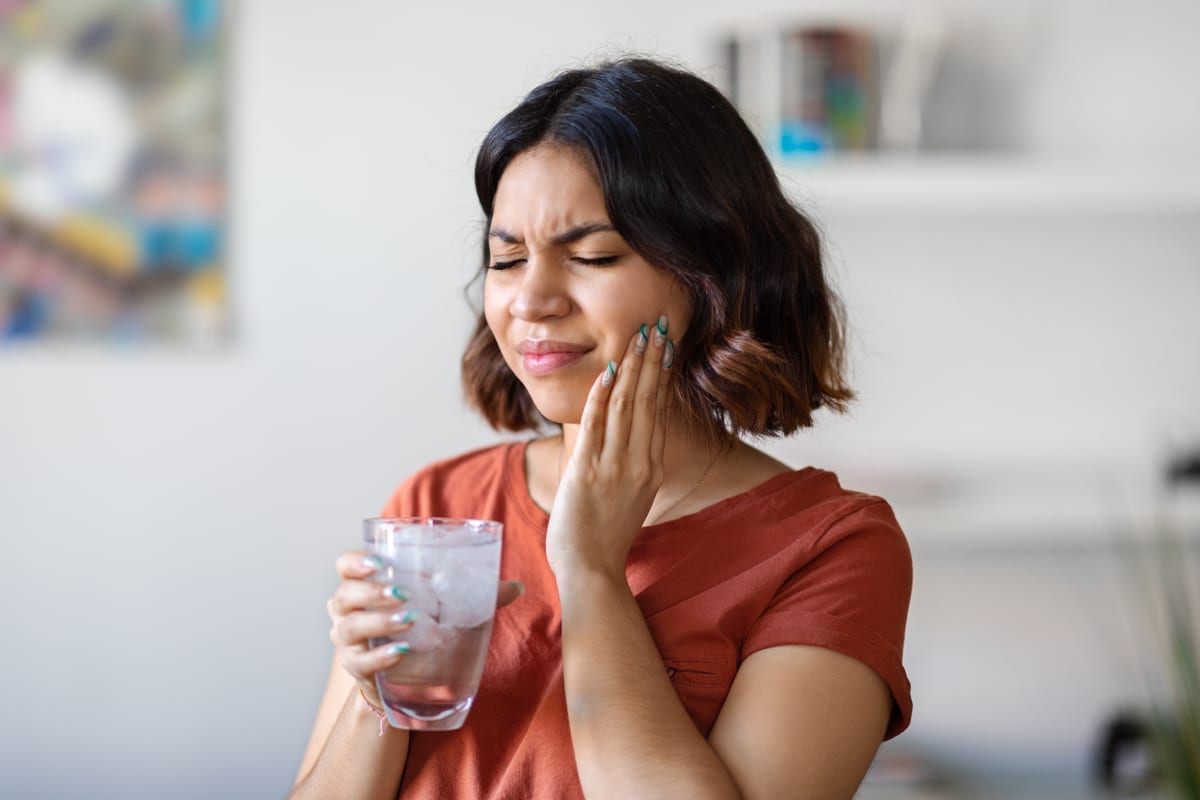
It is also worth noting that tooth sensitivity is a common side effect of whitening. Patients with existing sensitivity or thin enamel may experience more discomfort. This is another reason candidacy evaluation should always come before treatment.
Professional Whitening vs. Over-the-Counter Products
Many Peachtree Corners patients try store-bought whitening strips before visiting our office. These products can produce modest results for mild extrinsic staining. However, they use lower peroxide concentrations than professional treatments.
Professional whitening delivers faster, more dramatic results. It also comes with a dental exam beforehand — which catches any issues that could interfere with treatment or affect your oral health. Over-the-counter products skip this critical screening step.
If you have restorations, sensitivity issues, or any of the stain types discussed above, using whitening strips without guidance could lead to uneven results or increased discomfort. A consultation with Dr. Skelton gives you a clear, personalized picture of what to expect.
What to Expect at Peachtree Corners Dentistry
Your whitening journey at our practice begins with an evaluation. Dr. Park Skelton reviews your dental history, examines your teeth, and identifies your stain type. From there, we create a plan tailored specifically to your situation.
For eligible candidates, we offer professional-grade whitening options. These may include in-office treatment or custom take-home trays. Both methods produce results that far exceed what over-the-counter products can achieve.
For patients who are not ideal whitening candidates, we discuss alternative paths. Our goal is always to help you reach your smile goals safely and effectively — even if that means recommending a different treatment route. Peachtree Corners patients deserve honest guidance, not just a sales pitch.
Frequently Asked Questions
Does teeth whitening work on crowns or veneers?
No. Whitening agents only work on natural tooth enamel. Crowns, veneers, and bonding materials do not respond to peroxide gels. If you have visible restorations, whitening may create an uneven appearance. Dr. Skelton can help you find an approach that gives you a consistent, balanced result.
What causes teeth to have gray or brown staining instead of yellow?
Gray and brown staining often indicates intrinsic discoloration. This can result from tetracycline antibiotics taken during childhood, excessive fluoride during tooth development, or certain genetic factors. These stains do not respond well to standard whitening. Veneers or bonding are typically more effective solutions for this type of discoloration.
Is professional whitening safe for sensitive teeth?
It depends on the severity of your sensitivity and the condition of your enamel. Dr. Park Skelton evaluates your teeth before any whitening treatment. For patients with sensitivity concerns, we may recommend a lower-concentration treatment or a desensitizing protocol to keep the experience comfortable.
How long do teeth whitening results last?
Results typically last between six months and two years. This depends on your diet, oral hygiene habits, and lifestyle factors like tobacco use. Avoiding staining foods and drinks, combined with regular professional cleanings, helps maintain your results longer.
Can I whiten my teeth if I have cavities or gum disease?
Active dental issues should be treated before whitening. Whitening agents can cause significant irritation if applied over untreated decay or inflamed gum tissue. Dr. Skelton will identify any existing concerns during your evaluation and recommend the right sequence of treatment to protect your oral health.
If you are ready to find out whether teeth whitening is right for your smile, our team at Peachtree Corners Dentistry is here to help. We also offer services such as Dental Implants Peachtree Corners and Root Canal Treatment Peachtree Corners for patients with broader dental needs. Schedule a personalized consultation with Dr. Park Skelton today — Book Now to schedule your appointment with our team.